
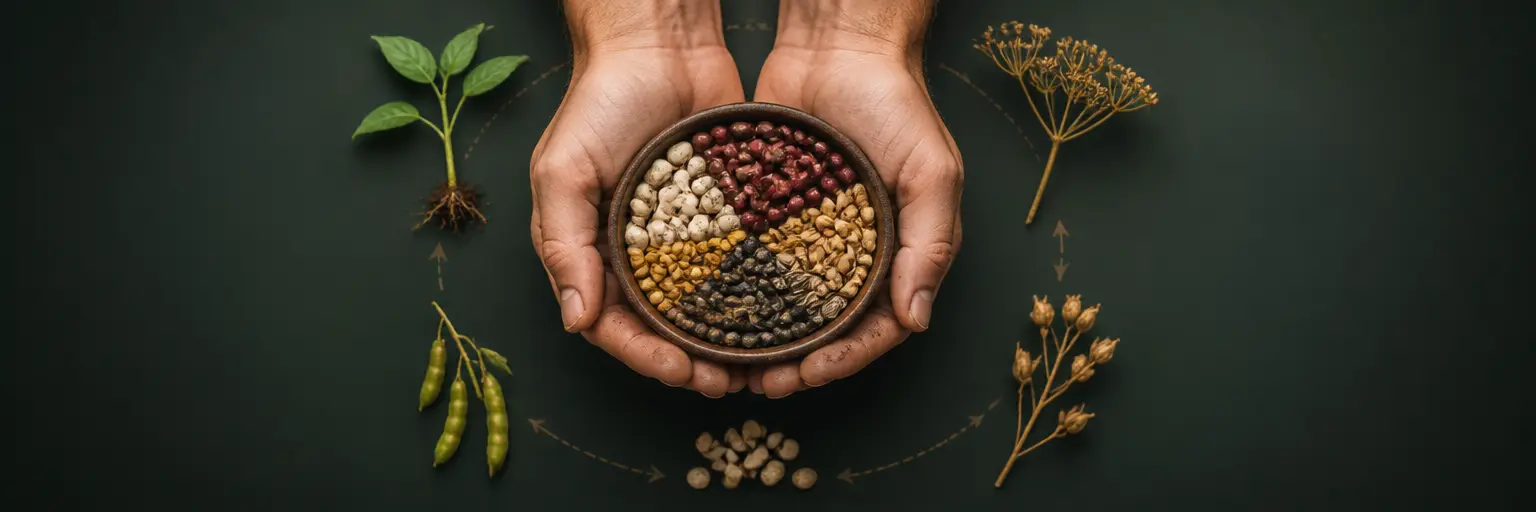
Effective Seed Cleaning Techniques: Removing Debris for Optimal Storage
Discover seed saving techniques for future seasons and build a more self-sufficient garden 🌱 Learn how to select healthy plants, harvest seeds at the right time, dry and store them properly, and preserve valuable heirloom varieties using sustainable, organic methods. Save money, strengthen your crop resilience, and enjoy a reliable supply of seeds for productive home gardening year after year.
8 articles
Seed Saving and the Circular Economy: Minimizing Waste in the Garden
Seed Saving for Winter Gardens: Preparing for ColdWeather Growing
Seed Saving and Plant Breeding: Experimenting with New Varieties
Seed Saving and Pest Management: Protecting Your Seeds from Infestations
The Power of Seed Saving: How to Create a Resilient Home Garden
The Best Time to Save Seeds: Timing Your Seed Harvest for Maximum Viability
Preserve Your Harvest: StepbyStep Seed Saving Techniques for Beginners
🌱 Seed Saving Techniques for Future Seasons
Discover practical seed saving techniques for future seasons with CultivateYourFood. This resource helps home gardeners preserve seeds from fruits, vegetables, and herbs while supporting gardening for self-sufficiency, organic growing, and long-term food security. Learn how to select healthy plants, harvest mature seeds, dry and store them correctly, and maintain a reliable home seed supply for productive gardens year after year.
🌾 Choosing the Best Plants for Seed Saving
Successful seed saving begins with selecting strong, healthy, and productive plants. Look for specimens that show vigorous growth, disease resistance, excellent flavor, and natural adaptation to your local climate and soil conditions. Saving seeds from the best plants helps improve garden performance over time and encourages resilient crops.
Readers will learn how to identify mature fruits, vegetables, and herbs suitable for seed collection. The guide also explains why open-pollinated and heirloom varieties are generally more dependable for saving seeds than many hybrid plants, which may not produce offspring identical to the parent plant.
🥕 Harvesting Vegetable, Herb, and Flower Seeds
Each crop has different signs of seed maturity. Tomatoes and cucumbers may need to remain on the plant longer than they would for eating, while beans, peas, lettuce, basil, and flowers often require pods or seed heads to dry naturally. Understanding these timing differences is essential for collecting viable garden seeds.
Expect practical advice for harvesting seeds cleanly and safely, including how to collect dry seeds, remove seeds from fleshy fruits, and avoid immature or damaged material. These techniques help preserve seed quality and make future planting more successful.
🧼 Cleaning and Preparing Seeds for Storage
Proper seed cleaning reduces mold, pests, and poor germination. Learn how to separate seeds from pulp, plant debris, and empty husks using methods such as rinsing, sieving, winnowing, and fermentation. Tomato seed fermentation, for example, can help remove protective coatings and unwanted pathogens.
This subcategory explains how to prepare different types of seeds without damaging them. Clean, fully developed, and carefully handled seeds have a better chance of remaining viable during storage and producing healthy seedlings in the next growing season.
☀️ Drying Seeds for Long-Term Viability
Moisture is one of the biggest threats to stored seeds. Readers will discover how to air-dry seeds in a cool, shaded, well-ventilated location and how to recognize when seeds are dry enough for storage. Avoiding direct heat and intense sunlight helps protect seed embryos and maintain germination potential.
Guidance also covers drying times, paper surfaces, airflow, and safe handling. By mastering seed drying techniques, gardeners can reduce the risk of mold and preserve seeds for future planting, emergency gardens, and sustainable household food production.
🫙 Storing Seeds for Future Planting
Good seed storage requires protection from heat, light, humidity, and pests. Learn how to use labeled envelopes, airtight containers, glass jars, and moisture absorbers to create a stable seed storage system. A cool, dark, and dry location is ideal for maintaining long-term seed viability.
You will also find recommendations for labeling each packet with the crop name, variety, harvest date, and growing notes. Organized records make it easier to plan a self-sufficient garden, rotate crops, track germination results, and avoid confusion during busy planting seasons.
🌿 Preventing Cross-Pollination and Preserving Varieties
Cross-pollination can change the characteristics of saved seeds, especially in crops such as squash, corn, brassicas, and peppers. This section introduces helpful strategies, including growing distances, flowering-time planning, hand pollination, flower bags, and physical barriers.
Readers can expect practical ways to preserve desired traits in heirloom and open-pollinated crops. Protecting plant varieties from unwanted pollen is particularly valuable for gardeners who want consistent harvests, seed independence, and reliable crops adapted to their home growing conditions.
🧪 Testing Germination Before Planting
A simple germination test can show whether stored seeds are still capable of sprouting. Learn how to test seeds with a damp paper towel, count successful sprouts, and estimate the germination rate before sowing an entire garden bed.
Testing helps gardeners make informed decisions about seeding depth, planting density, and replacement needs. It is an important part of seed storage management and can prevent wasted space, time, compost, and water during the growing season.
❓ Frequently Asked Questions About Seed Saving
🌱 Which plants are easiest for beginners to save seeds from?
Beans, peas, lettuce, tomatoes, peppers, basil, and marigolds are excellent beginner crops. They typically produce accessible seeds and have clear signs of maturity. Start with open-pollinated varieties for more predictable results.
🥒 Can seeds from store-bought vegetables be saved and planted?
Sometimes, but results vary. Store-bought produce may have been harvested before seed maturity, treated, or grown from hybrid varieties. Seeds from locally grown, fully mature, organic, and open-pollinated produce are usually more promising.
☀️ How long should seeds dry before storage?
Drying time depends on seed size and moisture content, but many seeds require several days in a cool, dry, ventilated space. Seeds should feel completely dry before being sealed. Never store damp seeds because mold and reduced germination can result.
🫙 What is the best way to store saved seeds?
Place thoroughly dried seeds in labeled paper packets or airtight containers and keep them in a cool, dark, low-humidity location. Adding a small moisture absorber can provide extra protection. Avoid frequent temperature changes and direct sunlight.
🌾 How long do saved seeds remain viable?
Seed longevity varies by crop, storage conditions, and initial quality. Properly dried and stored seeds may remain viable for one to several years. Perform a germination test before planting and keep detailed records to improve future seed-saving decisions.