
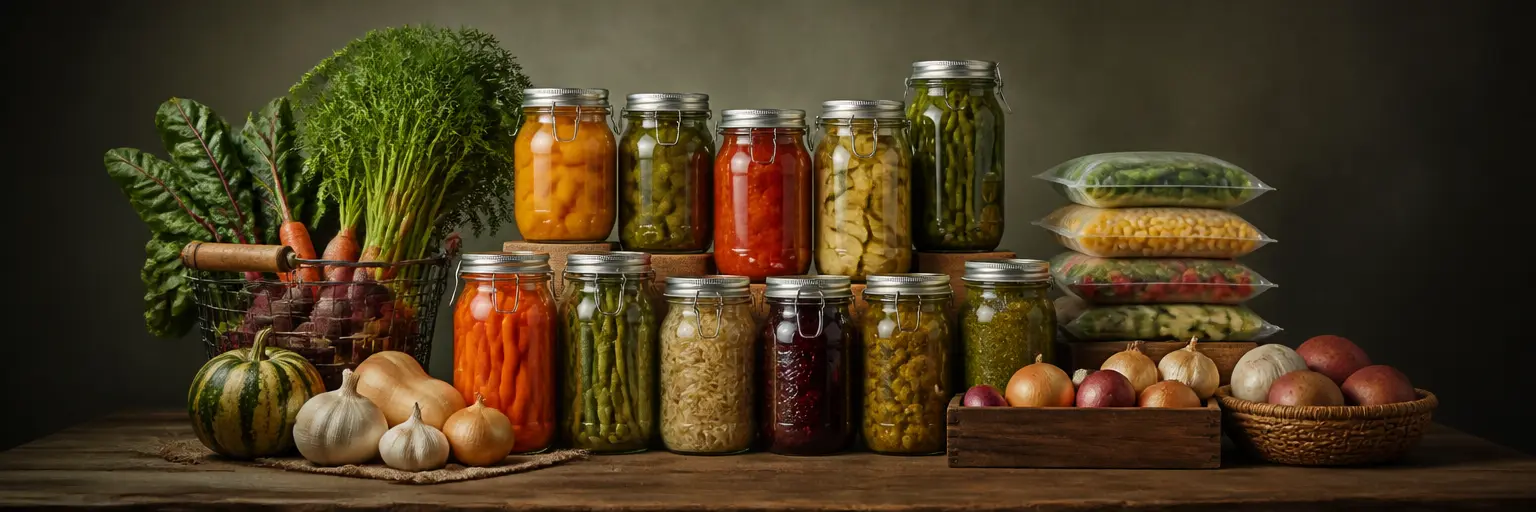
The Best Ways to Store Food in a Root Cellar
Preserve the rewards of your harvest with smart, sustainable methods for storing homegrown food 🥕 From root vegetables and herbs to fruits, grains, and garden produce, discover practical guidance on canning, drying, freezing, fermenting, and root-cellar storage. Extend freshness, reduce food waste, and enjoy nutritious, organic harvests throughout the year with easy techniques designed for self-sufficient gardeners 🌱
6 articles
How to Store Stone Fruits: Peaches, Plums, and Cherries
Root Cellaring Secrets: How to Store Your Harvest Like Our Ancestors
Storing Broccoli and Cauliflower: Fresh and Preserved Options
How to Store Leeks and Scallions for Maximum Flavor
Storing Food Safely: Preventing Foodborne Illnesses
🥕 Storing Your Homegrown Food for Year-Round Self-Sufficiency
Welcome to Storing Your Homegrown Food, a practical subcategory within Gardening for Self-Sufficiency at CultivateYourFood. Discover reliable ways to preserve garden vegetables, fruits, herbs, and seeds so your harvest lasts longer, reduces food waste, and supports a more sustainable lifestyle. From root cellaring and canning to freezing, dehydrating, fermenting, and proper pantry organization, these guides help home gardeners protect the flavor, nutrition, and quality of organic produce throughout the year.
🌱 Harvest Preparation and Post-Harvest Handling
Successful food storage begins in the garden. Learn how to identify the right harvest time, handle produce carefully, remove excess soil, and prepare fruits, vegetables, and herbs for storage. Proper harvesting and curing techniques can significantly extend shelf life and help prevent bruising, mold, rot, and premature spoilage.
Readers can expect practical advice for cleaning, trimming, sorting, and grading homegrown food before it enters the pantry, refrigerator, freezer, or cellar. These methods are especially useful for gardeners growing potatoes, onions, garlic, winter squash, apples, tomatoes, leafy greens, and fresh herbs using sustainable gardening practices.
🥔 Root Cellaring and Cool Storage
Root cellaring is a low-energy method for preserving homegrown food without relying heavily on electricity. Explore how to store potatoes, carrots, beets, turnips, parsnips, cabbage, apples, and winter squash in cool, dark, and well-ventilated conditions. Temperature, humidity, airflow, and separation are essential for maintaining freshness.
These guides explain how to create a simple root cellar, basement storage area, garage pantry, or insulated storage box. You will also learn how to monitor conditions, prevent sprouting, reduce dehydration, and keep ethylene-producing fruits away from sensitive vegetables for longer-lasting harvests.
🫙 Canning and Safe Jar Preservation
Home canning allows gardeners to preserve tomatoes, sauces, pickles, jams, jellies, fruits, and low-acid vegetables for future meals. Learn the difference between water-bath canning and pressure canning, including why using the correct method is essential for food safety and reliable preservation.
Expect helpful information about sterilizing jars, selecting tested recipes, preparing lids, managing processing times, labeling batches, and storing sealed jars. Canning guides can help you build a long-term pantry filled with nutritious, flavorful food from your own organic garden.
❄️ Freezing Fruits, Vegetables, and Herbs
Freezing is a convenient way to preserve the color, flavor, and nutritional value of many garden crops. Discover how blanching helps protect vegetables such as beans, broccoli, peas, corn, and leafy greens, while berries, sliced fruit, peppers, and tomatoes may require different preparation methods.
Learn how to prevent freezer burn, choose suitable containers, remove excess air, portion food for easy use, and organize frozen harvests efficiently. You can also find ideas for freezing pesto, herb cubes, garden soups, vegetable blends, and ready-to-cook ingredients.
🌬️ Dehydrating and Drying Garden Harvests
Dehydrating removes moisture from food, creating lightweight ingredients that are easy to store and use. Explore methods for drying herbs, fruit slices, vegetables, mushrooms, peppers, tomatoes, and homemade vegetable powders. Consistent slicing, appropriate temperatures, and complete drying are key to preventing spoilage.
These resources cover electric dehydrators, solar drying, and oven-drying techniques, along with airtight storage and moisture control. Dried homegrown food is ideal for camping, emergency preparedness, seasoning blends, soups, teas, snacks, and compact pantry storage.
🥬 Fermentation, Pickling, and Natural Preservation
Fermentation and pickling offer flavorful ways to preserve surplus produce while supporting traditional food preservation skills. Learn how to make sauerkraut, fermented vegetables, dill pickles, relishes, kimchi-style preparations, and other naturally preserved foods from the garden.
Readers can expect guidance on salt concentrations, brine coverage, fermentation weights, clean equipment, storage temperatures, and signs of successful fermentation. These methods can transform excess cabbage, cucumbers, carrots, radishes, peppers, and other vegetables into tangy foods with excellent long-term storage potential.
🌿 Storing Fresh Herbs and Saving Seeds
Preserve the flavor of basil, thyme, rosemary, mint, oregano, parsley, sage, and other herbs through air-drying, freezing, herb-infused oils, or simple pantry storage. Properly dried herbs should be protected from light, heat, moisture, and air to maintain their aroma and potency.
Seed saving is another important part of gardening for self-sufficiency. Learn how to collect, clean, dry, label, and store seeds from suitable open-pollinated plants. Proper seed storage helps protect future crops, reduce dependence on purchased seed, and support resilient home food production.
📦 Pantry Organization, Labeling, and Food Rotation
An organized pantry makes homegrown food easier to find, use, and manage. Discover practical systems for labeling jars, freezer containers, dried foods, and seed packets with crop names, preservation dates, batch details, and recommended use-by periods. First-in, first-out rotation helps ensure older food is used before newer harvests.
These guides also explain how to control pantry temperature, humidity, light, pests, and ventilation. With a clear inventory and thoughtful storage plan, you can make better use of your harvest, prepare balanced meals, and maintain a dependable year-round food supply.
❓ Frequently Asked Questions About Storing Homegrown Food
What is the best way to store homegrown vegetables?
The best method depends on the crop. Root vegetables and winter squash often benefit from cool, dark storage, while leafy greens are usually best refrigerated. Other produce may be frozen, canned, dehydrated, or fermented. Always consider the vegetable’s moisture content, texture, and food-safety requirements.
How long does homegrown food last in storage?
Storage life varies by crop and preservation method. Properly cured onions, garlic, and winter squash may last for several months, while frozen, dehydrated, or canned foods can remain usable for extended periods when prepared and stored correctly. Regularly inspect stored food and discard anything showing mold, off odors, leaking containers, or unusual texture.
Do I need a root cellar to store garden produce?
No. A dedicated root cellar is helpful but not essential. A cool basement, insulated box, pantry, unheated garage, or other suitable area may work for certain crops. The most important factors are stable temperature, appropriate humidity, darkness, ventilation, and protection from freezing and pests.
Is home canning safe for all fruits and vegetables?
Home canning is safe when you follow tested preservation recipes and use the correct processing method. High-acid foods such as many fruits, pickles, and properly acidified tomatoes are commonly processed in a water bath, while low-acid vegetables generally require pressure canning. Never alter processing times or ingredient ratios without reliable food-safety guidance.
How can I prevent mold and spoilage during food storage?
Begin with healthy, undamaged produce and prepare it using clean equipment and appropriate preservation methods. Control moisture, provide ventilation where needed, use airtight containers for dried foods, and check stored items regularly. Labeling and rotating your food supply also help you identify problems early and use your harvest at its best quality.