
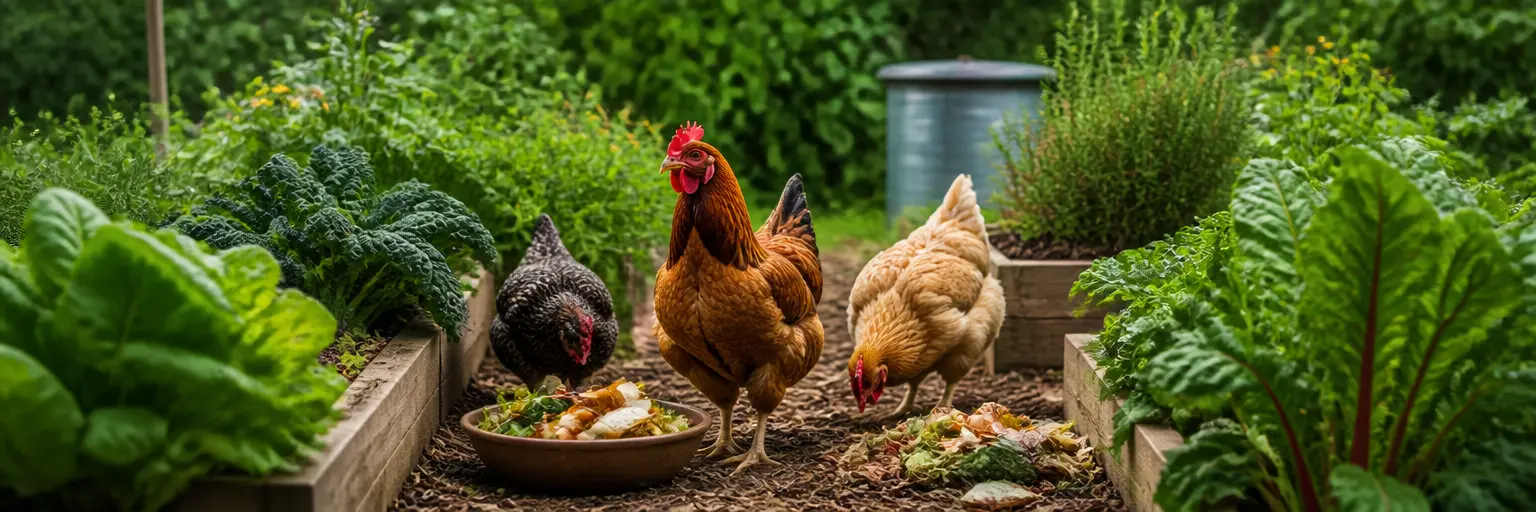
Integrating Chickens into Raised Beds: A Complete Guide
🐔🌱 Discover how integrating chickens into your backyard garden can support gardening for self-sufficiency through natural pest control, nutrient-rich manure, composting, and fresh eggs. Learn practical, sustainable ways to design a chicken-friendly garden, protect crops, improve soil health, and create a productive organic food system at home. 🥚♻️
5 articles
Chicken Breeds for Gardeners: Choosing the Right Fowl for Your Space
The Ultimate Guide to Using Chickens to Boost Garden Yields
Integrating Chickens for Garden Harmony: A Beginner's Guide
Winterizing Your Chicken Garden: ColdWeather Tips for Fowl and Plants
🐔 Integrating Chickens into Your Backyard Garden
Discover how to combine backyard chickens and organic gardening to create a more productive, sustainable, and self-sufficient home food system. This section of CultivateYourFood explains how chickens can provide fresh eggs, natural fertilizer, compost ingredients, and helpful pest control while remaining safely integrated with fruits, vegetables, and herbs. Learn practical methods for chicken garden design, rotational grazing, coop placement, soil improvement, and responsible flock management.
🌱 Designing a Chicken-Friendly Garden
Learn how to plan a backyard garden that supports both healthy plants and active chickens. Articles in this subcategory cover chicken coop placement, garden zoning, protective fencing, poultry runs, mobile chicken tractors, and pathways that make daily care easier. You will discover how to separate delicate seedlings and leafy greens from areas where chickens can forage without damaging established crops.
Expect practical advice for creating a balanced layout using raised beds, secure borders, shade, shelter, and accessible water stations. These strategies help reduce garden damage, protect harvests, and make it easier to manage chickens in a small backyard, urban garden, homestead, or suburban food-growing space.
🥚 Fresh Eggs and Backyard Food Security
Backyard chickens can provide a reliable source of fresh eggs while supporting a broader self-sufficient lifestyle. Explore guidance on choosing suitable breeds, estimating flock size, building a comfortable coop, and providing proper nutrition, clean water, nesting boxes, and safe outdoor space.
You will also learn how chickens fit into a home food system alongside vegetable gardening, herb cultivation, composting, and seasonal food preservation. Responsible poultry care can reduce dependence on store-bought eggs and give families a practical, rewarding way to produce food at home.
♻️ Using Chicken Manure for Organic Fertilizer
Chicken manure is a valuable source of nitrogen and organic matter, but it must be handled correctly. This section explains how to compost chicken bedding and manure safely before applying it to garden soil. Learn about aged chicken manure fertilizer, carbon-rich bedding materials, compost temperature, moisture balance, and curing time.
Properly composted poultry manure can improve soil fertility, support beneficial microorganisms, and help grow productive fruits, vegetables, and herbs. Readers will also learn why fresh manure should not be placed directly around edible crops and how to avoid nutrient burn, unpleasant odors, and potential contamination.
🐛 Natural Pest Control and Garden Foraging
Chickens naturally forage for insects, larvae, weeds, and other garden pests, making them a useful part of an integrated pest management plan. Discover how controlled chicken access may help reduce grasshoppers, beetles, ticks, and certain unwanted insects without relying heavily on synthetic pesticides.
Because chickens can also scratch seedlings, eat beneficial insects, and disturb mulch, this subcategory emphasizes managed free-ranging. Learn when to allow chickens into garden areas, how to use temporary fencing, and how to protect pollinators, earthworms, young plants, and ripening produce.
🌾 Rotational Grazing and Chicken Tractors
Rotational grazing allows chickens to move through designated areas for short periods before the soil becomes compacted or vegetation is depleted. Articles explain how to divide a backyard, pasture, orchard, or garden edge into manageable sections and how to schedule rest periods for natural recovery.
A chicken tractor can provide portable shelter while distributing manure and controlling vegetation in a planned location. Learn how to select safe materials, provide ventilation and shade, move the structure efficiently, and adapt rotational poultry systems to different seasons and garden sizes.
🛡️ Protecting Plants, Chickens, and Garden Soil
Successful garden integration requires protection for both crops and poultry. Explore methods such as hardware cloth, predator-proof fencing, garden netting, raised beds, cloches, covered runs, and secure nighttime housing. These tools can help prevent damage from foxes, raccoons, hawks, dogs, and other common backyard threats.
You will also find guidance on preventing over-foraging, soil compaction, erosion, and excessive nitrogen buildup. With thoughtful boundaries and regular observation, gardeners can create a safe environment where chickens contribute to the garden without destroying valuable plants or degrading soil health.
🌿 Chickens, Composting, and Closed-Loop Gardening
Integrating chickens into a backyard composting system can reduce household waste and create valuable soil amendments. Learn how to combine chicken bedding, manure, leaves, straw, grass clippings, garden trimmings, and selected kitchen scraps in a balanced compost pile.
This closed-loop approach supports organic gardening and homestead sustainability by turning everyday waste into a resource for future crops. Readers will learn what chickens may safely eat, which foods to avoid, how to manage compost odors, and how to use finished compost in vegetable beds, herb gardens, and fruit-growing areas.
❓ Frequently Asked Questions About Chickens in the Garden
Can chickens live in the same area as a vegetable garden?
Yes, but unrestricted access can damage seedlings, uproot plants, disturb roots, and expose crops to manure. Use fencing, raised beds, temporary barriers, or supervised access to create separate zones. Chickens are often safest in garden areas after harvest or before planting, when they can forage without harming developing crops.
Is fresh chicken manure safe to use directly on plants?
No. Fresh chicken manure is high in nitrogen and may burn plants or contain harmful pathogens. Compost it with carbon-rich materials such as straw, dry leaves, or shredded paper, and allow it to age fully before applying it to the garden. Properly composted manure is a valuable organic fertilizer.
Will chickens eat garden pests?
Chickens commonly eat insects such as grasshoppers, beetles, larvae, and some caterpillars. However, they may also eat beneficial insects, scratch mulch, and damage plants while searching for food. Controlled access and temporary fencing are essential for using chickens as part of an integrated pest management strategy.
How can I keep chickens from destroying my raised beds?
Cover raised beds with chicken wire, bird netting, hoops, or removable garden frames. You can also use sturdy edging and keep chickens in a separate run during planting and early growth. Allowing supervised access only after plants are established can reduce scratching and crop damage.
What is the best way to start integrating chickens into a backyard garden?
Begin with a secure coop, clean water, balanced feed, predator protection, and a clearly separated garden layout. Start by allowing limited, supervised access to selected areas, such as paths, orchard spaces, or harvested beds. Observe the impact on soil and plants, then adjust fencing and rotation practices as needed.