
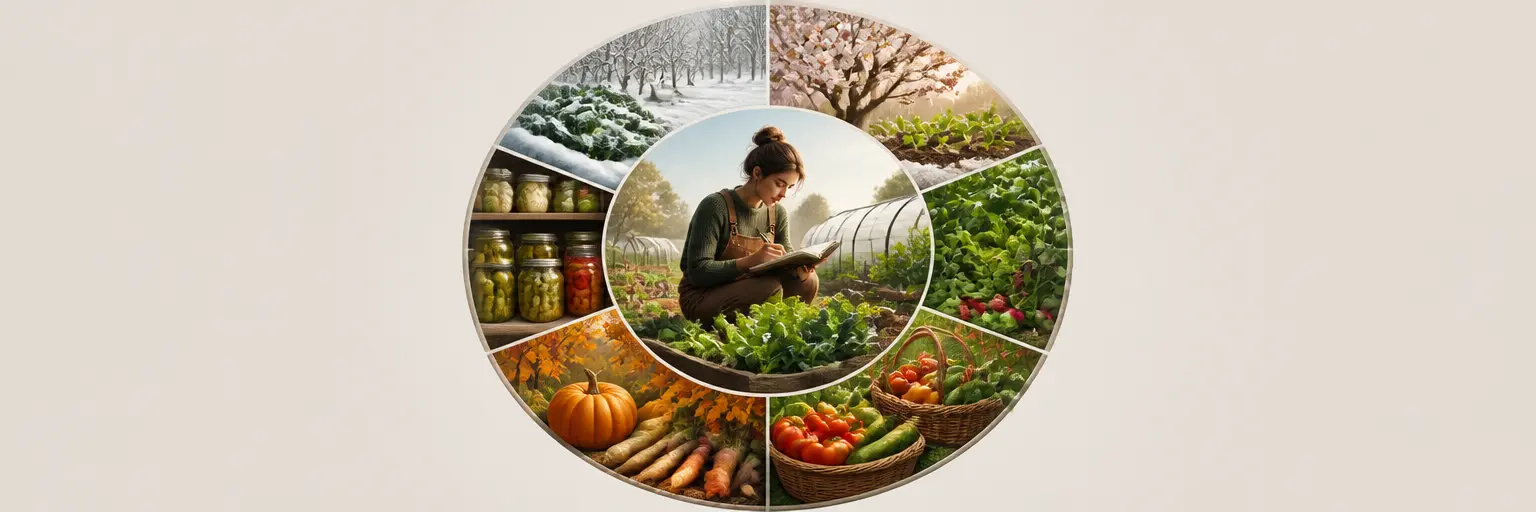
YearRound Harvest: CultivateYourFood's Guide to Garden Journaling
Plan a productive garden all year long 🌱 with practical guidance for succession planting, seasonal crop selection, frost protection, and smart harvest timing. Discover sustainable, organic strategies to keep fresh fruits, vegetables, and herbs growing through every season, reduce waste, and build a more self-sufficient home garden.”)] //
8 articles
CultivateYourFood: How to Use Row Covers for YearRound Harvest
CultivateYourFood: How to Plan for a YearRound Harvest with Kids
Planning Your YearRound Harvest: CultivateYourFood's Monthly Guide
Maximize Your Yield: YearRound Harvest Planning with CultivateYourFood
CultivateYourFood's StepbyStep Guide to Planning a YearRound Harvest
CultivateYourFood: Understanding Hardiness Zones for YearRound Harvest
CultivateYourFood: How to Use Cold Frames for YearRound Harvesting
🌱 Planning for a Year-Round Harvest
Welcome to Planning for a Year-Round Harvest at CultivateYourFood, your practical guide to growing fresh, nutritious food in every season. This subcategory focuses on succession planting, seasonal gardening, crop rotation, indoor growing, winter protection, and harvest planning so you can enjoy homegrown fruits, vegetables, and herbs throughout the year. Whether you are growing in raised beds, containers, a greenhouse, or a small backyard garden, you will find sustainable and organic strategies for creating a productive garden calendar and increasing food self-sufficiency.
📅 Create a Seasonal Garden Planting Calendar
Successful year-round gardening begins with a clear planting calendar. Learn how to organize crops by growing season, frost dates, germination time, maturity period, and harvest window. Our guides help you determine when to start seeds indoors, transplant seedlings, direct-sow vegetables, and prepare beds for the next crop.
You can expect practical advice for planning spring, summer, autumn, and winter gardens using local climate information and realistic planting schedules. Discover how to record sowing dates, expected harvests, weather conditions, and garden observations so each season becomes more productive than the last.
🌿 Master Succession Planting for Continuous Harvests
Succession planting allows gardeners to grow several rounds of the same crop or replace finished plants with new ones. Learn how to stagger plantings of lettuce, radishes, carrots, beans, peas, spinach, and other fast-growing vegetables to prevent one large harvest from becoming overwhelming.
These resources explain how to use short-season, medium-season, and long-season crops together for a steady supply of fresh produce. You will also learn how to plan around crop maturity dates, available garden space, soil fertility, and changing temperatures.
🥕 Choose Crops for Every Growing Season
Different vegetables thrive in different weather conditions. Explore cool-season crops for early spring and autumn, warm-season crops for summer, and hardy plants that can tolerate frost or mild winter conditions. This includes leafy greens, root vegetables, brassicas, legumes, herbs, and perennial food plants.
Expect guidance on selecting reliable varieties for your region, including cold-hardy vegetables, heat-tolerant plants, compact crops, and quick-growing varieties. Choosing the right plants helps maximize garden space while supporting a dependable home food supply.
🏡 Extend the Growing Season Naturally
Season extension techniques can help you harvest before the last spring frost and continue growing after autumn temperatures fall. Learn how to use row covers, cold frames, low tunnels, cloches, mulch, shade cloth, and unheated greenhouses to protect plants from frost, wind, excessive heat, and sudden temperature changes.
Our sustainable gardening advice emphasizes affordable, low-energy solutions that support organic food production. You will discover how to combine microclimates, protective coverings, healthy soil, and proper watering to keep crops productive for longer periods.
🌱 Plan Crop Rotation and Soil Renewal
Year-round food production depends on maintaining healthy, fertile soil. Learn how to rotate plant families, avoid repeating the same crop in one location, and reduce the risk of soil-borne diseases and nutrient depletion. Crop rotation is especially useful for gardens that grow tomatoes, potatoes, peppers, brassicas, legumes, and root vegetables.
You will also find ideas for adding compost, aged manure, leaf mold, cover crops, and organic soil amendments. These practices help build living soil, improve drainage, support beneficial organisms, and provide long-term garden fertility without relying on synthetic fertilizers.
🌾 Grow and Store Food for Winter
A year-round harvest includes both fresh crops and food preserved from earlier seasons. Learn how to plan extra plantings for root cellaring, canning, freezing, dehydrating, fermenting, and seed saving. Suitable crops may include winter squash, potatoes, onions, garlic, carrots, cabbage, beans, tomatoes, herbs, and fruit.
These guides help you calculate how much to grow based on household needs, storage space, and expected yield. With thoughtful harvest planning and organic food preservation methods, your garden can provide nutritious ingredients long after the main growing season ends.
🐝 Support Pollinators and Beneficial Garden Wildlife
Pollinators and beneficial insects play an important role in producing fruits, vegetables, and seeds. Learn how to include flowering herbs, native plants, companion flowers, and continuous blooms in your garden plan so bees, butterflies, and other helpful insects have food throughout the growing season.
You will also discover ways to create a balanced garden ecosystem without harmful pesticides. Plant diversity, habitat features, organic pest control, and thoughtful garden design can improve pollination while helping manage common garden pests naturally.
❓ Frequently Asked Questions About Year-Round Harvest Planning
What does planning for a year-round harvest mean?
Planning for a year-round harvest means organizing crops, planting dates, succession plantings, season-extension methods, and food storage so fresh or preserved garden produce is available in every season. The exact plan depends on your climate, garden size, crop choices, and available growing structures.
How do I start a year-round vegetable garden?
Begin by identifying your average frost dates, available sunlight, garden space, and preferred crops. Create a seasonal planting calendar, choose reliable varieties, add compost, and schedule several plantings of fast-growing vegetables. Start with manageable crops such as herbs, leafy greens, radishes, carrots, beans, and tomatoes.
Which vegetables are best for continuous harvests?
Leaf lettuce, spinach, kale, Swiss chard, radishes, green onions, carrots, beans, peas, herbs, and many salad greens are excellent for continuous harvesting. Succession planting and harvesting young leaves or pods regularly can extend productivity and encourage additional growth.
How can I grow food during winter?
Winter growing is possible with cold-hardy crops, protective mulch, row covers, cold frames, low tunnels, or an unheated greenhouse. Depending on your climate, crops such as kale, spinach, mâche, winter lettuce, carrots, leeks, and some herbs may continue growing or remain harvestable during colder months.
Why is crop rotation important for year-round gardening?
Crop rotation helps prevent recurring pests and diseases while reducing the risk of exhausting specific soil nutrients. Moving plant families to different beds each season supports healthier soil, improves plant growth, and contributes to a more sustainable and productive organic garden.