
Mint Tea: A Guide to Brewing a Perfect Cup
Discover the joy of growing basil and mint at home 🌿 with practical, organic herb gardening tips from CultivateYourFood. Learn how to plant, water, prune, harvest, and protect these flavorful herbs naturally—whether you’re cultivating them in containers, raised beds, or a sunny windowsill. Create a thriving, sustainable herb garden and enjoy fresh basil and mint for cooking, teas, garnishes, and more!
7 articles
Health Benefits of Mint: Refreshing and Therapeutic Properties
Potting Mix Secrets: Perfect Soil for Thriving Basil and Mint
Disease Prevention in Basil: Organic Methods for Healthy Plants
Winterizing Basil and Mint: How to Protect Your Herbs from Frost
Basil for Hair Care: How to Use it for Stronger, Shinier Hair
Propagating Basil and Mint: Easy Methods for Expanding Your Herb Garden
🌿 Growing Basil and Mint at Home
Welcome to the Growing Basil and Mint subcategory at CultivateYourFood, your practical resource for cultivating fresh, flavorful herbs using sustainable and organic gardening methods. Learn how to grow basil and mint in containers, raised beds, kitchen gardens, balconies, and sunny windowsills. Our guides explain everything from planting herbs and choosing the right soil to watering, harvesting, composting, and natural pest control, helping beginners and experienced gardeners enjoy a reliable supply of aromatic herbs at home.
🌱 How to Plant Basil and Mint Successfully
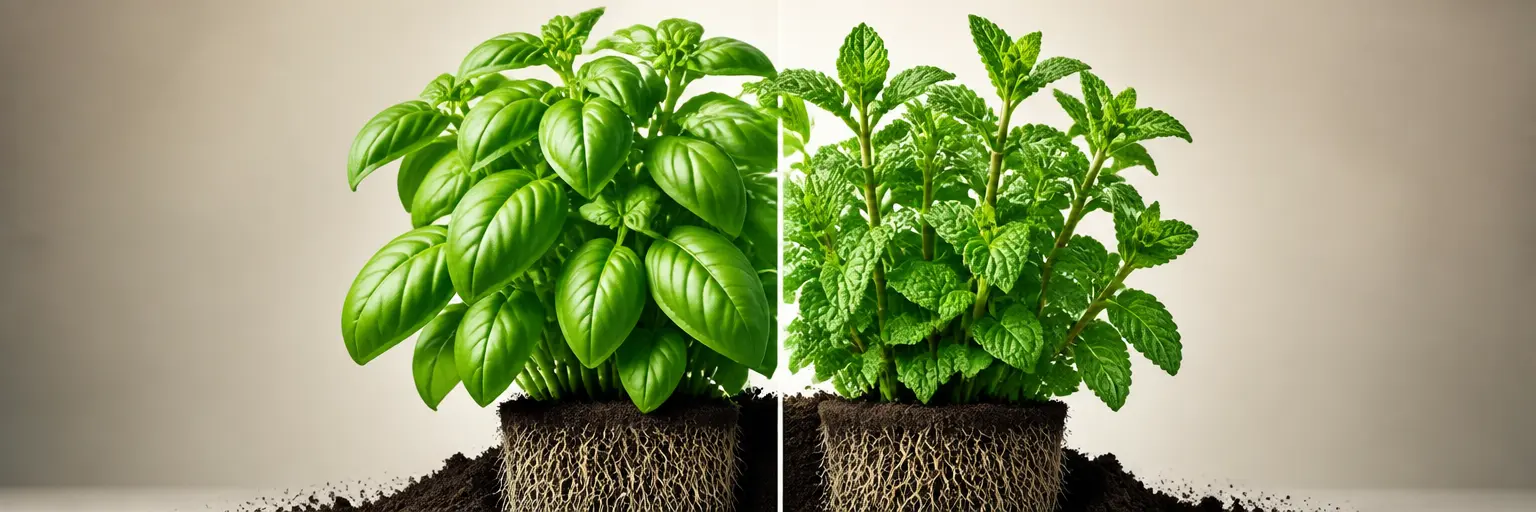
Discover the best ways to start basil and mint from seeds, cuttings, or young plants. Our content covers seed starting, transplanting, spacing, planting depth, and choosing suitable containers for indoor and outdoor herb gardens. You will also learn why basil prefers warm conditions and well-drained soil, while mint grows vigorously and often benefits from being planted in its own pot.
Expect clear advice on sunlight, soil preparation, drainage, and planting schedules so your herbs can establish strong roots. Whether you are creating a patio herb garden or growing culinary herbs on a windowsill, these practical techniques make herb gardening simple, productive, and environmentally friendly.
☀️ Basil and Mint Sunlight, Soil, and Watering Needs
Healthy basil and mint plants depend on the right balance of light, moisture, and nutrition. Learn how many hours of sunlight basil needs, where mint grows best, and how to identify common problems caused by overwatering, underwatering, poor drainage, or unsuitable soil. Our guides support both container gardening and in-ground herb cultivation.
We explain how to improve soil with organic compost and natural amendments without relying on harsh chemicals. You will also find watering tips for hot weather, indoor growing, and rainy conditions, helping you maintain vigorous plants with fragrant leaves and steady growth.
✂️ Pruning, Pinching, and Harvesting Fresh Herbs
Regular harvesting encourages basil and mint to produce more leaves and stay healthy. Learn when to pinch basil tips, how to prune mint without weakening the plant, and how to harvest herbs for cooking while preserving their flavor. These methods help prevent basil from becoming leggy and reduce the risk of early flowering.
Explore gentle harvesting techniques that protect new growth and extend the productive season. Our advice includes harvesting in the morning, removing damaged leaves, and cutting above leaf nodes for stronger regrowth. You can also learn how to dry, freeze, and store fresh basil and mint for later use.
🐞 Organic Pest Control for Basil and Mint
Basil and mint are generally easy to grow, but aphids, spider mites, whiteflies, caterpillars, and fungal diseases can still cause problems. Learn how to recognize common herb garden pests by their symptoms and understand the difference between insect damage, nutrient deficiencies, and watering stress.
Our natural pest control guides focus on preventive, organic gardening practices, including healthy soil, proper airflow, companion planting, hand removal, and gentle homemade solutions. Discover how to protect pollinators and beneficial insects while keeping edible herbs safe for your family.
♻️ Sustainable Basil and Mint Gardening
CultivateYourFood promotes gardening methods that support healthy soil and reduce waste. Learn how to reuse containers, collect rainwater, make compost, and choose organic fertilizers for basil and mint. These sustainable practices help conserve resources while improving plant growth and long-term garden productivity.
You will also find ideas for propagating mint from cuttings, saving basil seeds, and creating a low-waste kitchen herb garden. By using composting, natural soil enrichment, and responsible watering, you can grow fresh herbs while building a more resilient home food garden.
❓ Frequently Asked Questions About Growing Basil and Mint
How much sunlight do basil and mint need?
Basil grows best with approximately six to eight hours of sunlight each day, especially in warm conditions. Mint prefers bright light and can tolerate partial shade, particularly in hot climates. If growing indoors, place both herbs near a bright window or use a suitable grow light.
Can basil and mint grow together in the same container?
They can grow together temporarily, but mint spreads rapidly and may compete with basil for space, water, and nutrients. For the healthiest plants, grow mint in its own container. If you combine them, use a large pot with excellent drainage and prune mint regularly.
How often should I water basil and mint?
Water when the top layer of soil feels slightly dry. Basil prefers consistently moist but never waterlogged soil, while established mint can tolerate slightly more moisture. Always use containers with drainage holes to prevent root rot and check plants more frequently during hot or windy weather.
Why are my basil leaves turning yellow?
Yellow basil leaves may result from overwatering, poor drainage, insufficient light, nutrient imbalance, or natural aging. Check the soil moisture, confirm that excess water can drain away, and place the plant in a bright location. Remove severely damaged leaves and adjust care gradually.
How can I stop mint from taking over my garden?
The simplest solution is to grow mint in a container, either above ground or with a buried pot that limits root spread. Prune flowering stems and harvest regularly to maintain its shape. Avoid planting mint directly beside smaller herbs unless you are prepared to control its vigorous growth.