
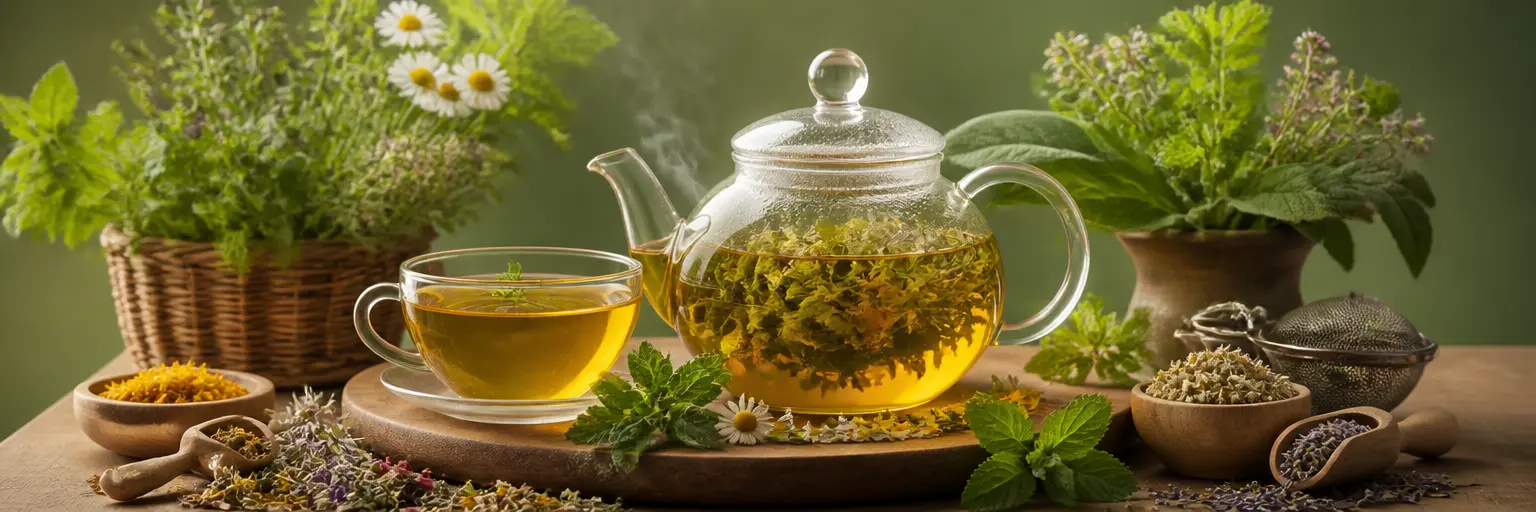
Steeping Times for Herbal Teas: A Guide to Perfect Infusions
Discover the soothing world of homemade herbal teas and infusions using fresh, organically grown herbs from your garden 🌿☕ Learn how to harvest, dry, blend, and steep flavorful plants like mint, chamomile, lavender, and lemon balm while preserving their natural aromas and benefits. Explore sustainable herb-gardening tips, creative tea recipes, and simple infusion techniques to enjoy wholesome, garden-to-cup drinks year-round.
6 articles
The Benefits of Using Fresh vs Dried Herbs in Tea
Lemon Balm Tea: Growing and Using This Calming Herb
Growing Chamomile for Tea: A Soothing Addition to Your Garden
Creating Custom Herbal Tea Blends for Specific Needs
Herbal Tea for Sleep: Natural Remedies for Restful Nights
Making Herbal Teas and Infusions 🍵🌿
Discover how to transform homegrown herbs into flavorful, soothing, and naturally aromatic drinks with Making Herbal Teas and Infusions from CultivateYourFood. This subcategory provides practical guidance for herb gardeners who want to harvest, dry, store, and prepare herbs using sustainable and organic methods. Learn how to make herbal tea from fresh or dried leaves, flowers, seeds, roots, and stems while preserving their flavor, fragrance, and quality.
🌱 Choosing the Best Herbs for Homemade Tea
Explore popular tea herbs such as mint, lemon balm, chamomile, lavender, rosemary, thyme, sage, tulsi, fennel, and calendula. You will learn which herbs grow well in home gardens, which plant parts are traditionally used for infusions, and how to combine flavors for refreshing, calming, or naturally caffeine-free herbal drinks.
Our guides explain how growing conditions, soil health, harvesting time, and plant maturity can influence aroma and taste. Whether you have a container garden, balcony herb garden, raised bed, or backyard plot, you can find practical ideas for cultivating herbs specifically for homemade tea blends.
✂️ Harvesting and Preparing Fresh Herbs
Learn how to harvest herbs at the right stage for the best flavor and essential oil content. Detailed advice covers harvesting leaves before flowering, collecting blossoms when fully open, and gathering seeds or roots responsibly. These techniques help protect plant health while encouraging continued growth throughout the season.
You will also discover how to gently rinse, sort, and prepare fresh herbs for tea making. Proper harvesting and handling can reduce bruising, remove garden debris, and preserve the natural fragrance of herbs grown without synthetic pesticides or chemical fertilizers.
🌬️ Drying Herbs for Long-Term Storage
Find reliable methods for drying herbs at home, including air drying, paper-bag drying, dehydrator use, and low-temperature oven drying. These methods are suitable for many garden herbs and can help prevent moisture, mold, and loss of flavor when performed correctly.
Our content explains how to recognize fully dried herbs, remove leaves from stems, and store them in airtight containers away from light and heat. Correctly dried herbs can provide a convenient supply of homemade tea ingredients well beyond the growing season.
🫖 Steeping Herbal Infusions Correctly
Learn the difference between a simple herbal infusion and other preparation methods. You will find guidance on water temperature, steeping time, herb-to-water ratios, and suitable equipment such as teapots, strainers, tea balls, and French presses.
Different plant parts require different approaches. Delicate leaves and flowers generally benefit from gentle steeping, while tougher seeds, bark, and roots may require longer infusion or simmering. These techniques help you make fragrant, balanced, and enjoyable herbal tea from your own garden harvest.
🍋 Creating Flavorful Herbal Tea Blends
Discover how to blend herbs by balancing sweetness, freshness, floral notes, spice, and citrus-like flavors. Mint and lemon balm can create a bright combination, while chamomile and lavender offer a soft floral profile. You can also add culinary ingredients such as ginger, lemon peel, cinnamon, or dried berries.
Learn how to start with small batches and record your preferred recipes. Keeping notes about ingredients, quantities, steeping time, and harvest dates makes it easier to recreate successful blends and develop personalized organic herbal tea recipes for everyday enjoyment.
🌿 Sustainable and Organic Herb Gardening Practices
Making herbal teas begins with healthy, responsibly grown plants. CultivateYourFood connects tea preparation with sustainable gardening practices, including composting, crop rotation, water conservation, natural fertilization, and organic pest control. These methods support productive herb gardens while protecting soil life and beneficial insects.
You will also learn how to avoid contamination by choosing clean growing areas, using safe harvesting tools, and confirming that herbs have not been exposed to unsuitable chemicals. Garden-to-cup preparation allows you to understand where your ingredients come from and reduce reliance on packaged products.
⚠️ Safe Use, Storage, and Responsible Enjoyment
Find practical information about identifying herbs correctly, preventing cross-contamination, and storing dried ingredients safely. Proper labels should include the herb name and storage date, helping you maintain freshness and avoid confusion between similar-looking plants.
Herbal teas are not automatically suitable for everyone. Pregnant or breastfeeding individuals, children, people with allergies or medical conditions, and anyone taking medication should consult a qualified healthcare professional before using unfamiliar herbs. The guidance in this subcategory supports informed preparation and should not replace professional medical advice.
❓ Frequently Asked Questions About Making Herbal Teas and Infusions
1. What is the difference between an herbal tea and an herbal infusion?
An herbal tea is a broad term for a drink made by steeping herbs in hot water. An herbal infusion usually refers to extracting flavor and soluble compounds from softer plant parts, such as leaves and flowers, by allowing them to steep for a specified period.
2. Can I use fresh herbs instead of dried herbs for tea?
Yes, fresh herbs can be used for homemade tea and often provide bright, delicate flavors. Because fresh herbs contain more water than dried herbs, you may need to use a larger quantity to achieve a similar strength. Always wash herbs gently and use correctly identified, pesticide-free plants.
3. How long should I steep homemade herbal tea?
Many leaf and flower infusions steep well for approximately five to ten minutes, although the ideal time depends on the herb and your preferred flavor. Tougher ingredients, such as roots and seeds, may require longer steeping or a simmering method. Follow reliable guidance for each specific plant.
4. How should dried herbs for tea be stored?
Store fully dried herbs in clean, airtight containers placed in a cool, dry, dark location. Label each container with the herb and date. Keep moisture away from the jar, and discard herbs if you notice mold, unusual odors, or signs of spoilage.
5. Are all garden herbs safe to use in herbal tea?
No. Some plants can be toxic, cause allergic reactions, or interact with medications. Use only herbs that have been accurately identified and researched for their intended use. When uncertain, do not consume the plant and seek advice from a qualified herbal professional or healthcare provider.