
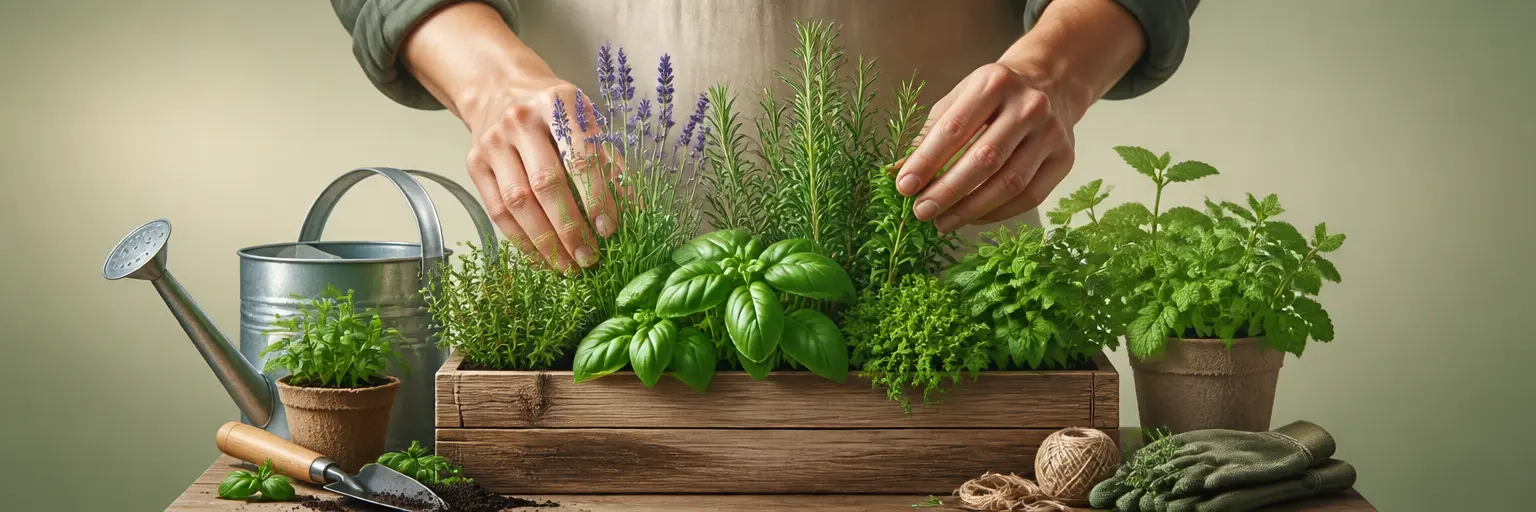
The Science of Scent: How Fragrant Herbs Impact Our Senses
Create a fragrant herb garden and transform your home into a sensory haven 🌿🌸. Discover how to grow aromatic favorites like lavender, rosemary, mint, basil, and thyme using sustainable, organic gardening practices. Learn about choosing the right location, preparing healthy soil, companion planting, watering, pruning, and harvesting herbs for fresh culinary creations, natural remedies, and homemade sachets. Whether you have a balcony, patio, or backyard, these practical herb gardening tips will help you cultivate a thriving, pollinator-friendly garden filled with delightful scents and flavor.
6 articles
Fragrant Herbs that Repel Pests: Natural Pest Control with Aromatics
Fragrant Herb Garden in Raised Beds: Creating Accessible and Aromatic Gardens
Drying Fragrant Herbs: Preserving Aromas for YearRound Use
Fragrant Herbs for Shady Gardens: Bringing Scent to LowLight Areas
Designing Your Dream Fragrant Herb Garden: Layout and Placement Tips
🌿 Creating a Fragrant Herb Garden at Home
Welcome to the Creating a Fragrant Herb Garden subcategory at CultivateYourFood, your practical resource for growing aromatic herbs using sustainable and organic gardening methods. Discover how to design, plant, maintain, and harvest a beautiful herb garden filled with naturally scented plants such as lavender, rosemary, thyme, mint, basil, lemon balm, sage, and oregano. Whether you are gardening on a balcony, patio, windowsill, raised bed, or backyard, you will find helpful guidance for creating a productive space that supports cooking, pollinators, relaxation, and healthy living.
🌱 Choosing the Best Fragrant Herbs
Learn how to select fragrant herbs according to your climate, available sunlight, soil type, garden size, and intended use. Our guides explain the growing needs of popular aromatic plants, including lavender, rosemary, basil, mint, thyme, sage, oregano, chamomile, lemon balm, and scented geraniums. You will also discover which herbs are best for culinary gardens, herbal teas, natural fragrance, pollinator gardens, and low-maintenance landscapes.
We cover annual, biennial, and perennial herbs so you can plan a garden that provides fragrance throughout the growing season. Find advice on choosing healthy seedlings, starting herbs from seed, selecting organic varieties, and avoiding invasive plants. With the right herb selection, even a small garden can become a richly scented and productive growing space.
☀️ Designing a Fragrant Herb Garden
Create an attractive and functional herb garden by learning how to arrange plants according to sunlight, height, color, texture, fragrance, and accessibility. Discover how to combine herbs in raised beds, containers, window boxes, vertical gardens, cottage-style borders, and sensory garden designs. Proper placement helps every plant receive the light and airflow it needs while making harvesting simple.
Explore practical garden layout ideas for small spaces and large backyards, including pathways, seating areas, companion planting zones, and herb spirals. We also explain how to position strongly scented herbs near walkways, doors, patios, and windows so their natural aromas can be enjoyed whenever you pass by. Thoughtful garden design can improve appearance, productivity, and biodiversity.
🌼 Growing Herbs Organically and Sustainably
Find natural ways to grow fragrant herbs without relying on synthetic fertilizers or harsh chemical pesticides. Learn how to improve soil with homemade compost, aged manure, leaf mold, worm castings, and organic mulch. Our content explains how healthy soil supports strong roots, vibrant foliage, abundant flowers, and more intense natural aromas.
Discover sustainable techniques such as water-wise irrigation, rainwater collection, crop rotation, companion planting, seed saving, and reusing containers. These organic herb gardening practices help conserve resources and create a healthier environment for beneficial insects, birds, gardeners, and families.
💧 Herb Garden Watering and Maintenance
Healthy fragrant herbs require consistent but appropriate care. Learn how to determine when your plants need water, how to avoid root rot, and how to adapt watering schedules during heat, drought, rain, and winter. We provide tips for well-drained soil, container drainage, drip irrigation, deep watering, and moisture-retaining mulch.
Our maintenance guides also cover pruning, pinching, deadheading, weeding, thinning, repotting, and improving air circulation. Regular care encourages bushier growth, prevents herbs from becoming leggy, and helps maintain fresh foliage and strong fragrance throughout the season.
🐝 Fragrant Herbs for Pollinators and Wildlife
Many aromatic herbs produce flowers that attract bees, butterflies, hoverflies, and other beneficial pollinators. Learn how flowering herbs such as lavender, thyme, oregano, rosemary, sage, and mint can contribute to a more diverse and resilient home garden. These plants provide nectar while adding color, texture, and natural fragrance.
Discover how to support pollinators with organic gardening practices, pesticide-free planting, shallow water sources, shelter, and continuous blooms. A fragrant herb garden can become a welcoming habitat that improves pollination for nearby fruit and vegetable plants while increasing garden biodiversity.
✂️ Pruning, Harvesting, and Preserving Aromatic Herbs
Harvest herbs at the right time to capture their best flavor, essential oils, and fragrance. Learn when to pick leafy herbs, flowering herbs, and woody herbs, as well as how to use clean tools and careful harvesting methods. Regular harvesting and strategic pruning can encourage fresh growth and help prevent plants from becoming weak or overgrown.
We also explain how to dry, freeze, store, and preserve herbs for year-round use. Explore ideas for herbal teas, infused oils, culinary seasoning, fragrant sachets, homemade potpourri, and natural household products. Proper preservation protects aroma and flavor while reducing food waste.
🐞 Organic Pest and Disease Control
Learn how to identify common herb garden problems, including aphids, spider mites, whiteflies, powdery mildew, rust, root rot, and fungal diseases. Our natural pest control advice focuses on prevention through healthy soil, crop spacing, beneficial insects, sanitation, and proper watering.
When problems occur, discover gentle solutions such as hand removal, insecticidal soap, horticultural oils, companion planting, physical barriers, and biological controls. These methods help protect fragrant herbs without leaving unnecessary chemical residues in a garden intended for cooking, tea, and household use.
❓ Frequently Asked Questions About Creating a Fragrant Herb Garden
🌿 Which herbs are best for a fragrant garden?
Lavender, rosemary, thyme, basil, mint, lemon balm, sage, oregano, chamomile, and scented geraniums are excellent choices. Select herbs based on your climate, sunlight, soil drainage, and whether you want culinary, medicinal, ornamental, or pollinator-friendly plants.
☀️ How much sunlight does a fragrant herb garden need?
Most fragrant herbs grow best with at least six hours of direct sunlight per day. Mediterranean herbs such as lavender, rosemary, thyme, and oregano prefer full sun and well-drained soil, while mint and lemon balm can tolerate partial shade in many climates.
🪴 Can I create a fragrant herb garden in containers?
Yes. Containers are ideal for balconies, patios, windowsills, and small gardens. Use pots with drainage holes, a high-quality organic potting mix, and containers large enough for mature roots. Plant invasive herbs such as mint in separate pots to prevent them from spreading.
💧 How often should fragrant herbs be watered?
Watering frequency depends on the herb, container size, soil, weather, and sunlight. Check the top layer of soil before watering and provide a deep drink when it feels dry. Avoid constantly wet soil, because poor drainage can cause root rot and reduce plant health.
🐝 Are fragrant herbs beneficial to pollinators?
Yes. When allowed to flower, many fragrant herbs provide valuable nectar for bees, butterflies, and other beneficial insects. Avoid synthetic pesticides, grow a variety of flowering herbs, and include blooms from spring through autumn to support pollinators throughout the growing season.