
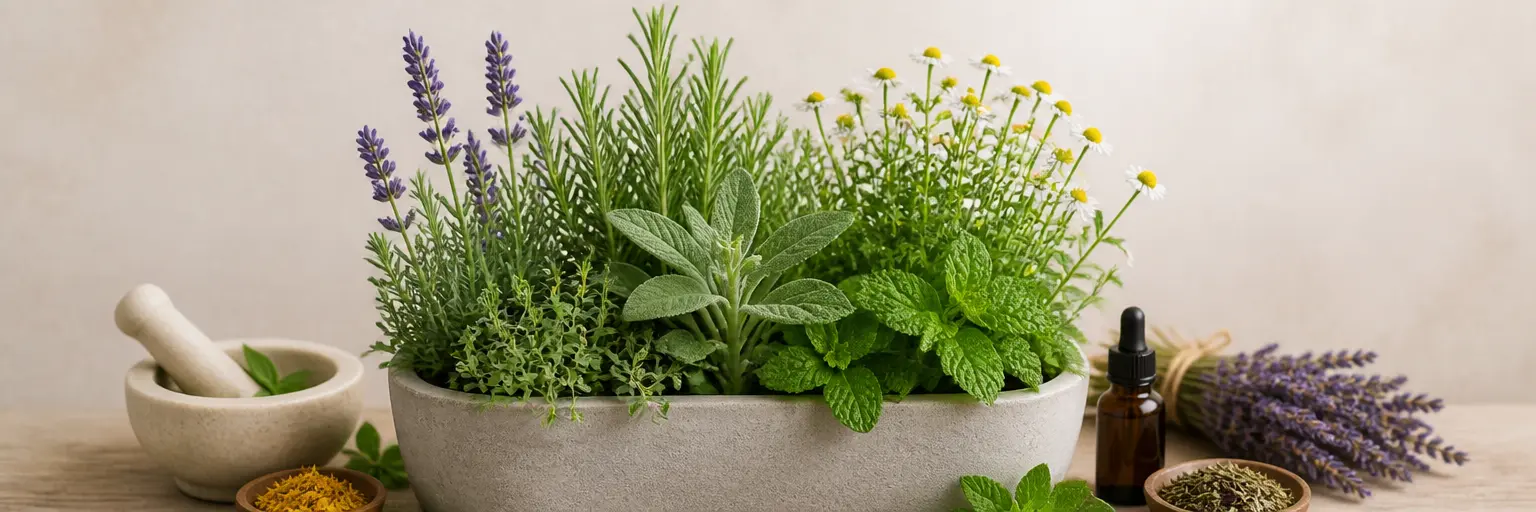
Echinacea for Beginners: Planting and Harvesting ImmuneBoosting Herbs
🌿 Discover the rewarding world of growing medicinal herbs at home with sustainable, organic gardening tips from CultivateYourFood. Learn how to plant, nurture, harvest, and preserve healing herbs such as basil, mint, lavender, chamomile, and more—even in small spaces. 🪴 Create a natural home herb garden, support pollinators, reduce waste, and enjoy fresh, useful plants year-round with practical guidance on soil care, composting, watering, and eco-friendly pest control.
7 articles
Herbs for Men's Health: Supporting Vitality
Growing Adaptogenic Herbs: Ashwagandha, Rhodiola, and Holy Basil
Herbs for Women's Health: A Natural Approach
The Power of Peppermint: Growing This Refreshing Herb at Home
The Magic of Calendula: Planting for Skin Health and Natural Dye
Integrating Medicinal Herbs into Your Daily Routine
🌿 Growing Medicinal Herbs at Home Naturally
Discover how to grow medicinal herbs at home with practical, sustainable guidance from CultivateYourFood. This Herb Gardening subcategory helps beginners and experienced gardeners cultivate useful plants such as lavender, chamomile, peppermint, lemon balm, calendula, thyme, rosemary, sage, and echinacea. Learn how to choose herbs for your space, prepare healthy organic soil, start seeds, care for container herb gardens, harvest leaves and flowers, and preserve your homegrown herbs responsibly. Growing medicinal plants at home can create a productive, beautiful, and pollinator-friendly garden while supporting a more self-sufficient lifestyle.
🌱 Choosing the Best Medicinal Herbs for Your Garden
Find beginner-friendly medicinal herbs that thrive in containers, raised beds, windowsills, balconies, and outdoor garden plots. You will learn about sunlight requirements, soil preferences, watering needs, hardiness, growth habits, and the best planting times for popular herbs. Our guides help you compare annual, biennial, and perennial herbs before selecting plants suited to your climate and available growing space.
Whether you want fragrant herbs for tea, aromatic plants for a pollinator garden, or low-maintenance herbs for a kitchen garden, you will discover practical recommendations. Choosing the right medicinal herbs is the first step toward a productive and manageable home herb garden, especially when you match each plant to local conditions.
🪴 Growing Medicinal Herbs in Containers and Small Spaces
Learn how to grow medicinal herbs in pots, planters, window boxes, vertical gardens, and other small-space setups. This section covers container size, drainage holes, organic potting mixes, companion planting, plant spacing, and strategies for growing herbs indoors or on a sunny patio. You can create a medicinal herb garden even without a large backyard.
Our small-space gardening advice explains how to position containers for adequate light and how to prevent common problems such as root rot, overcrowding, and dry soil. Container-grown herbs are easy to move, monitor, harvest, and protect from extreme weather, making them an excellent choice for urban gardeners and beginners.
🌾 Organic Soil Preparation and Sustainable Herb Gardening
Build a strong foundation for healthy medicinal plants with organic soil preparation techniques. Explore composting, aged manure, natural soil amendments, mulch, crop rotation, and methods for improving drainage and fertility without relying on synthetic chemicals. Healthy soil encourages vigorous roots and supports resilient herb growth.
CultivateYourFood focuses on sustainable gardening practices that protect beneficial insects, conserve water, and improve long-term soil health. Adding finished compost and using natural mulch can nourish your herbs while reducing waste and evaporation. You will also learn how to recognize soil problems and make gradual improvements using environmentally responsible methods.
💧 Watering, Sunlight, and Everyday Medicinal Herb Care
Understand how much sunlight and water different medicinal herbs need throughout the growing season. Our guides explain full sun, partial shade, watering schedules, moisture checks, pruning, thinning, feeding, and seasonal maintenance. These fundamentals help prevent overwatering, underwatering, weak growth, and poor herb production.
You will also learn how to create simple care routines for indoor and outdoor plants. Consistent but careful maintenance produces healthier foliage, stronger aromas, and better harvests. By observing your plants regularly, you can respond early to wilting, nutrient deficiencies, weather stress, or signs of disease.
🐝 Natural Pest Control and Disease Prevention
Protect your medicinal herb garden with natural pest control and organic disease prevention methods. Discover how to identify aphids, spider mites, caterpillars, whiteflies, fungal diseases, and other common garden problems. Helpful techniques include hand-picking pests, improving air circulation, using insect-friendly companion plants, applying physical barriers, and encouraging beneficial predators.
Our recommendations prioritize safe, low-impact solutions suitable for home gardens. Prevention is often more effective than treatment, so you will learn how healthy soil, appropriate spacing, clean tools, proper watering, and garden hygiene can reduce pest and disease pressure without harming pollinators.
✂️ Harvesting, Drying, and Storing Homegrown Herbs
Learn when and how to harvest medicinal herbs for the best fragrance, flavor, and quality. This section explains the ideal harvesting stages for leaves, flowers, stems, and seeds, along with proper cutting techniques that encourage continued growth. You will also find guidance for harvesting herbs such as peppermint, chamomile, lavender, rosemary, sage, and lemon balm.
Explore home preservation methods including air-drying, dehydrating, freezing, and storing herbs in airtight containers away from heat and sunlight. Correct drying and storage help protect aroma and extend the useful life of your harvest. Always label preserved herbs with the plant name and harvest date for organized, responsible use.
🍵 Responsible Uses and Safety of Homegrown Medicinal Herbs
Discover traditional and practical ways to use homegrown herbs in teas, infused oils, culinary recipes, sachets, baths, and natural household preparations. Our content emphasizes accurate plant identification, hygienic handling, responsible harvesting, and clear distinctions between culinary use and medicinal use.
Medicinal herbs can interact with medications or may not be appropriate for children, pregnancy, allergies, or certain health conditions. Herbal information is educational and should not replace professional medical advice. Consult a qualified healthcare professional before consuming medicinal preparations or using herbs to address a health concern.
❓ Frequently Asked Questions About Growing Medicinal Herbs at Home
🌿 What are the easiest medicinal herbs to grow at home?
Some of the easiest options include peppermint, lemon balm, chamomile, lavender, calendula, thyme, rosemary, and sage. Select herbs based on your climate, sunlight, container size, and soil conditions. Beginners often have the best results with hardy plants that tolerate occasional care mistakes.
☀️ How much sunlight do medicinal herbs need?
Many medicinal herbs require six to eight hours of direct sunlight daily, although some, such as lemon balm and peppermint, can tolerate partial shade. Check the needs of each plant and place containers near a bright, well-drained location. Indoor herbs may require a sunny window or supplemental grow light.
💧 How often should medicinal herbs be watered?
Watering frequency depends on the herb, soil, container, temperature, and rainfall. Check the top layer of soil before watering and provide a thorough drink when it feels dry, while avoiding constantly soggy conditions. Good drainage is essential because excessive moisture can cause root rot.
🐞 Can I grow medicinal herbs without pesticides?
Yes. Healthy soil, proper spacing, crop diversity, companion planting, hand removal, insect netting, and beneficial insects can help manage many pests naturally. Regularly inspect leaves and stems so you can address problems early. If treatment is necessary, use an organic method appropriate for the specific plant and pest.
🍵 Is it safe to consume herbs grown at home?
Homegrown herbs can be used responsibly when they are correctly identified, grown without harmful chemicals, harvested cleanly, and stored properly. However, medicinal herbs may interact with medications or cause adverse effects. Research each plant carefully and consult a healthcare professional before consuming herbal preparations for therapeutic purposes.