
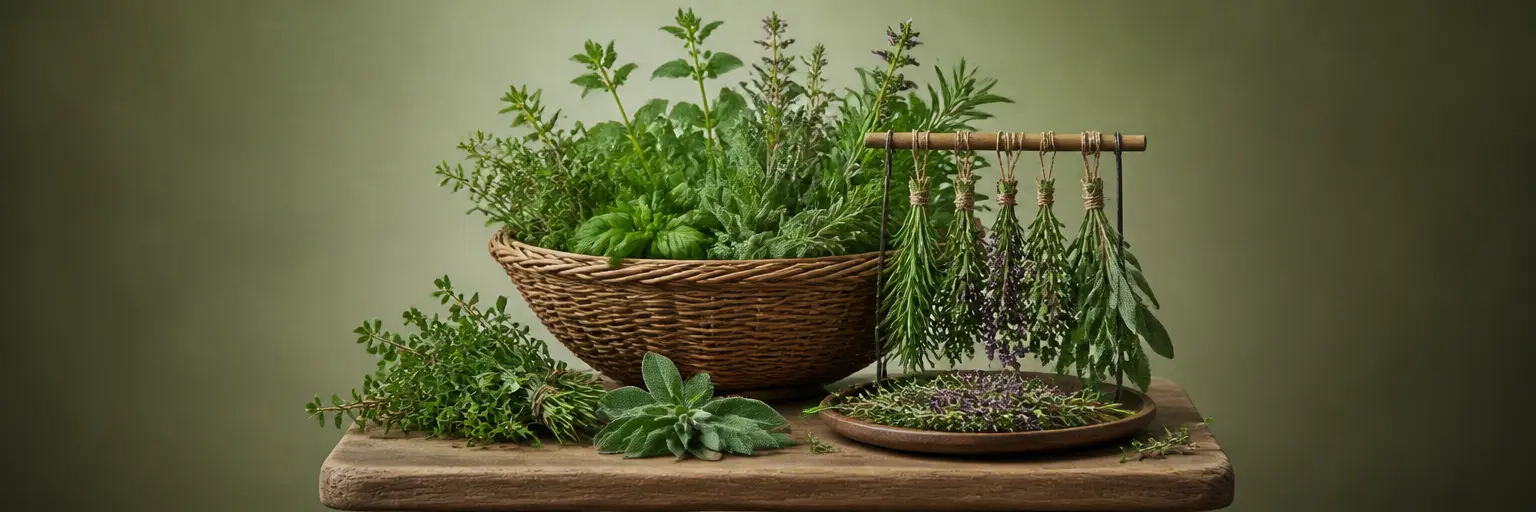
The Secret to Harvesting Cilantro: Preventing Bolting and Enhancing Taste
Discover how to harvest and dry herbs at their peak for maximum flavor, aroma, and freshness 🌿. Learn sustainable, organic techniques for cutting, air-drying, dehydrating, and storing homegrown herbs, helping you preserve your harvest naturally and enjoy garden-fresh seasoning year-round.
8 articles
Air Drying Lavender: StepbyStep Instructions for Potpourri
Air Drying Rosemary: Preserving the Aroma and Flavor
Microwave Drying Stevia: A Fast Guide to Sweetness
Oven Drying Thyme: Tips for Best Results
Oven Drying Rosemary: A Simple Guide for Preserving Aroma
Microwave Drying Rosemary: A Speedy Guide for Aroma
The Ultimate Guide to Harvesting Herbs: Timing, Techniques, and Tools
🌿 Harvesting and Drying Herbs for Fresh, Flavorful Homegrown Seasonings
Welcome to Harvesting and Drying Herbs at CultivateYourFood, your practical resource for collecting, preserving, and enjoying herbs grown at home. Learn how to harvest basil, mint, rosemary, thyme, oregano, sage, lavender, parsley, and other culinary and medicinal herbs at the ideal time for maximum flavor, fragrance, and potency. Our sustainable herb gardening guidance covers organic harvesting techniques, air drying, oven drying, dehydrating, herb storage, and natural preservation methods so you can keep your homegrown herbs useful throughout the year.
🌱 When to Harvest Fresh Herbs
Discover how to identify the best time to harvest herbs based on plant growth, season, weather, and intended use. For many leafy herbs, harvesting just before flowering helps preserve concentrated oils and vibrant flavor. Learn why morning harvesting after the dew has dried is often ideal, and how to select healthy stems and leaves without stressing the plant.
Our guides explain the correct harvesting methods for popular herbs, including basil, cilantro, parsley, dill, mint, oregano, and lemon balm. You can expect practical advice on cutting herbs correctly, encouraging bushier regrowth, avoiding damaged foliage, and collecting only what your household needs for fresh cooking or long-term preservation.
✂️ Sustainable Herb Harvesting Techniques
Responsible harvesting supports healthy plants, productive herb gardens, and long-term soil and ecosystem health. Learn how to use clean, sharp scissors or pruning shears, remove no more than a reasonable portion of the plant at one time, and leave enough foliage for continued photosynthesis and regrowth.
CultivateYourFood emphasizes organic and sustainable gardening practices, including harvesting without synthetic chemicals, protecting pollinators, and reusing plant material in compost when appropriate. You will also find guidance for harvesting perennial herbs, annual herbs, flowering herbs, and seed heads while maintaining a productive home garden.
🌬️ Air-Drying Herbs Naturally
Air drying is one of the simplest, most energy-efficient ways to preserve herbs at home. Learn how to prepare herbs for drying, gently rinse and dry them when necessary, tie small bundles, use drying racks, and select a location with good airflow and low humidity. Proper spacing and ventilation help prevent mold and preserve natural color and aroma.
These resources explain how long different herbs may take to dry and how to recognize when leaves are ready for storage. You will learn why slow drying in a cool, dark, well-ventilated area often protects essential oils better than direct sunlight, making air-dried herbs excellent for teas, seasoning blends, sauces, and homemade gifts.
🔥 Oven Drying and Food Dehydrator Methods
When weather conditions are humid or you need herbs dried quickly, an oven or food dehydrator can be a practical option. Explore low-temperature drying methods for rosemary, thyme, sage, oregano, basil, and other herbs, along with preparation tips that reduce scorching and uneven drying.
Our guides help you compare oven-dried herbs and dehydrated herbs, including temperature considerations, drying times, tray placement, and energy-efficient practices. You will also learn how to check herbs regularly so they become crisp and dry without losing their color, fragrance, and natural flavor.
🫙 Storing Dried Herbs for Maximum Flavor
Correct storage is essential for protecting dried herbs from moisture, heat, light, and air. Learn how to remove dry leaves from stems, crumble herbs gently, and store them in airtight glass jars, spice containers, or reusable food-safe packaging. Clear labeling with the herb name and harvest date makes your homemade herb collection easier to manage.
Discover how to organize a home herb pantry and test dried herbs for freshness over time. Cool, dark storage helps preserve aroma and potency, while small containers reduce repeated exposure to air. We also cover practical tips for replacing older herbs, preventing condensation, and keeping your dried harvest clean and usable.
🍵 Preserving Herbs for Cooking and Herbal Use
Harvested herbs can be preserved in several ways beyond traditional drying. Learn about freezing chopped herbs, making herb ice cubes, preparing infused oils safely, creating herbal teas, and combining dried herbs into homemade seasoning blends. These methods help reduce food waste and make homegrown ingredients available in every season.
Our content focuses on safe, practical, and informed preservation for household use. You can expect ideas for using preserved herbs in soups, roasted vegetables, marinades, salads, breads, sauces, teas, and natural home products, while understanding the importance of proper cleanliness, moisture control, and storage.
❓ Frequently Asked Questions About Harvesting and Drying Herbs
🌿 What is the best time of day to harvest herbs?
The best time to harvest most herbs is usually in the morning after the dew has dried but before the sun becomes intense. At this time, leaves often contain strong natural oils and have not been exposed to excessive heat. Harvest only clean, healthy growth and avoid collecting herbs immediately after rain when excess moisture can increase drying problems.
✂️ How much of an herb plant can I harvest at once?
As a general guideline, harvest no more than one-third of a healthy herb plant at one time. Leave enough stems and leaves for photosynthesis and continued growth. Regular light harvesting can encourage branching, but severe cutting may weaken young plants, stressed plants, or herbs that are flowering and producing seeds.
🌬️ How do I know when herbs are completely dry?
Fully dried herbs should feel crisp and crumble easily between your fingers. Stems should snap rather than bend, and leaves should contain no soft or flexible areas. If herbs still feel cool, leathery, or damp, continue drying them before storage because trapped moisture can lead to mold and spoilage.
🫙 What is the best container for storing dried herbs?
Airtight glass jars are an excellent choice for storing dried herbs because they help block moisture and odors while allowing you to inspect the contents. Keep containers in a cool, dark cupboard away from the stove, sunlight, and steam. Label each jar with the herb name and drying date for easier freshness management.
🌱 Can I dry herbs that have already started flowering?
Yes, flowering herbs can still be harvested and dried, although their flavor may differ from herbs collected before flowering. Some herbs, such as lavender, thyme, oregano, and sage, are valued for their flowers as well as their leaves. Remove damaged portions and choose clean, healthy stems for the best dried herb quality.