
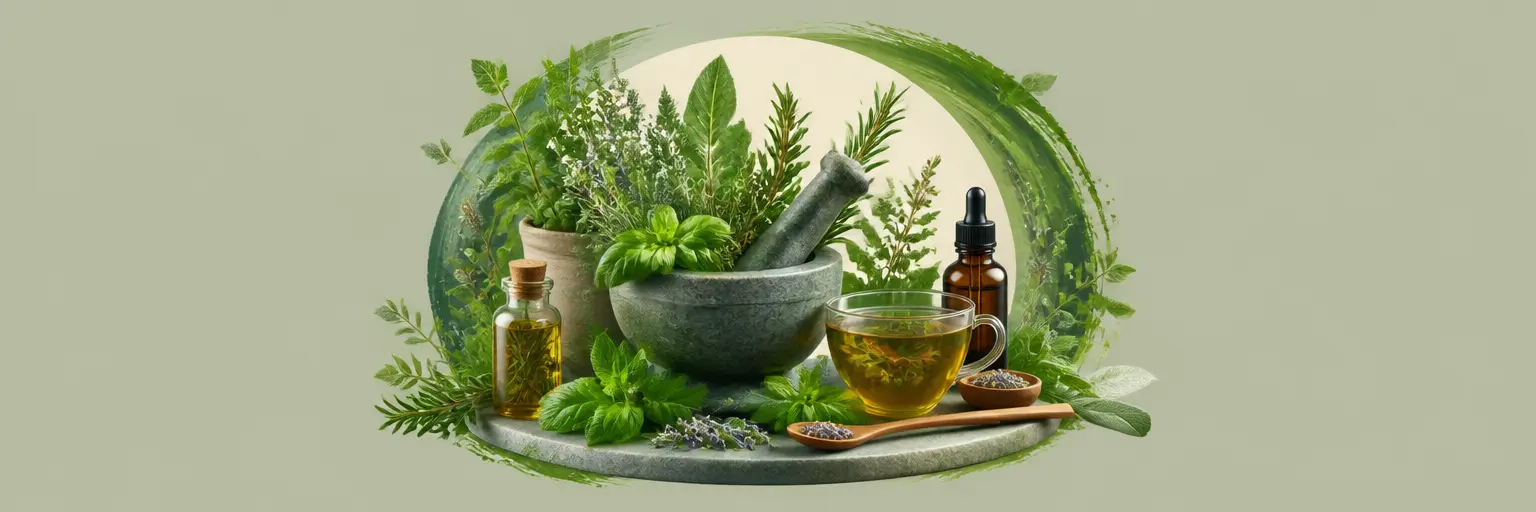
Culinary Alchemy: Transforming Everyday Meals with Fresh Herbs
Discover how to use fresh and dried herbs in cooking and natural remedies 🌿 Enhance everyday meals with homegrown flavor, create soothing herbal infusions, and explore practical, sustainable ways to make the most of your harvest. Find organic herb gardening tips, preservation ideas, recipe inspiration, and safe home-remedy guidance to help you cultivate, harvest, and enjoy herbs year-round.
8 articles
Lemon Balm's Lightness: Lemon Balm for Stress Relief and Flavor
Boosting Immunity with Herbs: Natural Ways to Stay Healthy
Lavender's Lullaby: Exploring Lavender in Culinary and Medicinal Applications
Oregano's Aroma: From Pizza to Greek Cuisine, Using Oregano
Stevia's Sweetness: Using Stevia as a Natural Sweetener
Creating Herbal Poultices: Using Herbs for Topical Relief
Herbal Teas and Tisanes: Brewing Wellness from Your Garden
🌿 Using Herbs in Cooking and Remedies
Discover how to grow, harvest, preserve, and use fresh herbs from your home garden with CultivateYourFood. This subcategory combines practical herb gardening advice with flavorful cooking ideas and traditional, responsible home remedies. Learn how basil, rosemary, thyme, mint, sage, oregano, parsley, lavender, chamomile, and other culinary herbs can enhance everyday meals while supporting a more sustainable, organic lifestyle. From garden to kitchen, explore simple ways to make the most of herbs you cultivate yourself.
🍳 Cooking with Fresh Garden Herbs
Freshly harvested herbs can transform simple recipes with vibrant flavor, aroma, and color. Explore practical guidance for using herbs in soups, salads, sauces, marinades, roasted vegetables, breads, teas, dressings, and homemade seasoning blends. You will learn how to match herbs with different ingredients, when to add delicate or robust varieties, and how to balance fresh flavors without overpowering a dish.
Our herb cooking content also explains the differences between fresh and dried herbs, including storage methods, conversion measurements, and preparation techniques. Discover how to wash, chop, bruise, infuse, freeze, and dry herbs while preserving their quality. With easy herb recipes and kitchen tips, home gardeners can turn a productive harvest into delicious, budget-friendly meals.
🌱 Harvesting Herbs for Maximum Flavor
Successful herb use begins with proper harvesting. Learn when to pick leafy herbs, flowering herbs, and perennial varieties for the best taste and texture. Guides cover harvesting basil before flowering, collecting rosemary and thyme sprigs, gathering mint responsibly, and trimming plants in ways that encourage healthy regrowth.
You will also find advice on harvesting herbs sustainably from organic gardens. Discover how to use clean tools, avoid overharvesting, handle delicate leaves, and harvest during the coolest part of the day. These techniques help maintain plant health while providing a steady supply of fresh culinary herbs for cooking and preservation.
🫙 Drying, Freezing, and Preserving Herbs
Preserving herbs allows you to enjoy your garden harvest throughout the year. Learn about air-drying, oven-drying, dehydrating, freezing in containers, and making herb ice cubes with water or oil. Each method has benefits depending on the herb, available equipment, and intended use.
Our preservation resources explain how to identify fully dried herbs, choose airtight storage containers, label harvest dates, and protect herbs from heat, light, and moisture. You can also explore homemade herb salts, infused oils, vinegars, and seasoning blends. Proper preservation helps reduce food waste and supports a practical self-sufficient herb garden lifestyle.
🌼 Herbs in Traditional Home Remedies
Many herbs have a long history of traditional use in teas, steam preparations, soothing compresses, baths, and aromatic blends. Explore the common household uses of herbs such as chamomile, peppermint, ginger, lavender, sage, and lemon balm while learning how these plants are traditionally prepared and enjoyed.
Remedy-related content is presented with a focus on safety, responsible use, and informed decision-making. Learn why natural does not always mean risk-free, how herb potency can vary, and why certain people should seek professional guidance before using herbal preparations. Always consider allergies, medication interactions, pregnancy, age, and existing health conditions before trying a homemade herbal remedy.
🍵 Making Herbal Teas and Infusions
Herbal teas and infusions are simple ways to enjoy homegrown plants. Learn how to prepare fresh or dried herbs using hot water, suitable steeping times, and appropriate quantities. Discover flavor combinations such as mint and lemon balm, chamomile and lavender, or rosemary and lemon, along with suggestions for serving herbal drinks warm or chilled.
These guides also explain the difference between a light tea, a stronger infusion, and other traditional preparations. Find practical tips for storing dried herbs, selecting food-safe containers, and checking plant identity before use. With careful preparation, gardeners can create refreshing beverages while making the most of an organic herb harvest.
♻️ Sustainable Herb Use from Garden to Home
Using herbs effectively can support sustainable living and reduce dependence on packaged products. Learn how to grow herbs organically, reuse stems and leaves where appropriate, compost unusable plant material, and preserve surplus harvests. These practices help minimize waste while making homegrown herbs part of everyday cooking and household routines.
CultivateYourFood also connects herb use with healthy soil, natural pest control, crop rotation, and pollinator-friendly gardening. Explore ways to choose resilient herb varieties, save seeds when suitable, and create a productive garden with fewer synthetic inputs. The result is a more environmentally responsible approach to growing and using herbs at home.
❓ Frequently Asked Questions About Using Herbs
🌿 What are the best herbs for beginner gardeners?
Basil, mint, parsley, chives, thyme, oregano, and rosemary are popular choices for beginners. They are useful in everyday cooking and can grow successfully in garden beds or containers when provided with suitable light, well-drained soil, and consistent watering. Mint is vigorous, so growing it in a container can help prevent spreading.
🍃 Should fresh herbs be washed before using them?
Yes, fresh herbs should generally be rinsed gently under cool, clean water before use, especially when harvested outdoors. Shake off excess moisture and pat the herbs dry with a clean towel or use a salad spinner. For the best flavor and storage life, avoid soaking delicate herbs for longer than necessary.
🫙 How should dried herbs be stored?
Store completely dried herbs in airtight, food-safe containers kept in a cool, dark, dry place. Label each container with the herb name and drying date. Properly dried herbs should remain free from moisture, mold, and unusual odors. Replace them when their aroma and flavor become noticeably weak.
🍵 Are homemade herbal remedies safe for everyone?
No. Herbal preparations can cause allergic reactions, interact with medications, or be unsuitable for children, pregnant people, nursing parents, and individuals with certain medical conditions. Before using an herb for a health purpose, consult a qualified healthcare professional and verify the plant’s identity. Herbal remedies should not replace professional diagnosis or treatment.
🌱 When is the best time to harvest culinary herbs?
Most leafy herbs are best harvested in the morning after the dew has dried but before the heat of the day becomes intense. Pick leaves before flowering when possible, as many herbs develop a stronger or more bitter flavor after blooming. Use clean scissors or pruners and harvest no more than one-third of the plant at a time to encourage continued growth.