
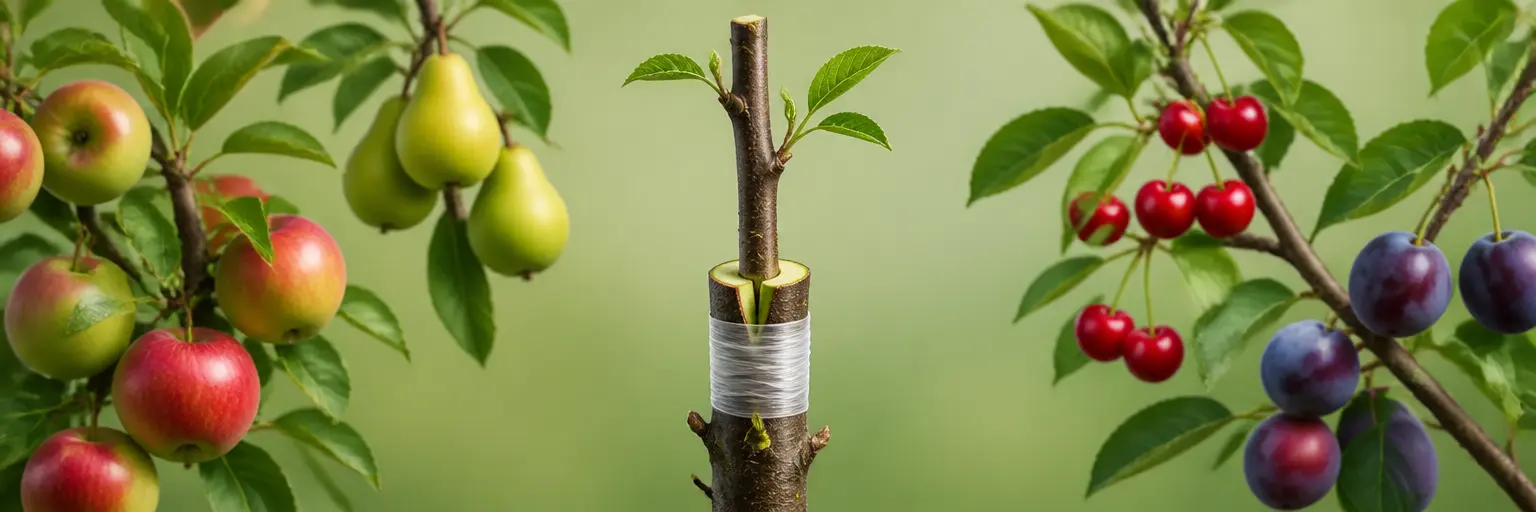
Grafting Fruit Trees: Tips for Ensuring a Successful Graft Union
🍎 Grafting fruit trees for variety is a rewarding way to grow multiple delicious fruits on a single tree while making the most of your garden space. Learn practical, sustainable grafting techniques, discover compatible fruit tree combinations, and improve your harvest with healthy, organic care. 🌱 Whether you’re a beginner or experienced gardener, cultivate a diverse home orchard with expert tips from CultivateYourFood.
4 articles
Grafting Fruit Trees: A Beginner's Guide to Combining Varieties
Grafting Fruit Trees: Troubleshooting Common Grafting Problems
The Art of Grafting: How to Create MultiFruit Trees at Home
🍎 Grafting Fruit Trees for Variety: Grow More Fruit in Less Space
Welcome to Grafting Fruit Trees for Variety on CultivateYourFood, your practical resource for learning how to graft fruit trees using sustainable, organic gardening methods. Fruit tree grafting allows home gardeners to combine compatible varieties on one healthy rootstock, creating multi-grafted trees that can produce apples, pears, plums, peaches, cherries, citrus, and other delicious fruits in limited garden space. Explore reliable grafting techniques, seasonal timing, tool recommendations, aftercare instructions, and troubleshooting advice to help you cultivate productive, diverse, and resilient fruit trees at home.
🌱 Learn the Basics of Fruit Tree Grafting
Fruit tree grafting is a propagation method that joins a selected scion, or desired fruit variety, to a compatible rootstock. The rootstock provides the roots and often influences tree size, disease resistance, cold hardiness, and soil adaptability, while the scion determines the fruit variety. This subcategory explains how the cambium layers must align so the graft can heal and begin transporting water and nutrients.
Readers can expect clear guidance on essential grafting terms, plant compatibility, grafting anatomy, and the differences between grafting and growing fruit trees from seed. You will also learn why grafting is useful for preserving heirloom fruit varieties, improving garden diversity, and producing several cultivars on one established tree.
✂️ Discover the Best Grafting Techniques
Successful fruit tree grafting depends on choosing the right technique for the tree’s age, branch diameter, and season. Learn about whip-and-tongue grafting, cleft grafting, bark grafting, splice grafting, chip budding, and T-budding. Each method has specific advantages, and understanding when to use each one can improve graft union formation and long-term tree health.
Our resources focus on practical, beginner-friendly instructions that make grafting less intimidating. Expect explanations of how to make clean cuts, secure scions, protect exposed tissues, and identify healthy graft unions. Detailed guidance can help you avoid common problems such as slipping, drying, poor cambium contact, and incompatible plant combinations.
🍏 Create Multi-Grafted Fruit Trees
Multi-grafted fruit trees are an excellent solution for small yards, urban gardens, patios, and backyard orchards. By grafting several compatible varieties onto one tree, you can enjoy different harvest times, fruit colors, flavors, and uses without planting a separate tree for every cultivar. This approach supports space-saving fruit production and increases variety in a home food garden.
Learn how to plan a balanced multi-variety tree, select compatible cultivars, and manage branches so one vigorous graft does not dominate the others. Articles in this subcategory also explain pollination considerations, staggered ripening seasons, pruning strategies, and labeling methods that help you maintain an organized and productive fruit tree.
🌿 Choose Compatible Rootstocks and Scions
Compatibility is one of the most important factors in grafting fruit trees. Apples are generally grafted onto other apple rootstocks, pears onto compatible pear or quince rootstocks, and stone fruits such as peaches, plums, apricots, and cherries require careful selection based on species and cultivar relationships. Choosing healthy, disease-free plant material increases the chance of a strong and lasting graft union.
Expect practical advice on selecting dormant scion wood, identifying suitable rootstocks, and matching varieties according to climate, soil, growth habit, and harvest period. You will also discover why rootstock choice affects tree size, anchorage, drought tolerance, disease resistance, and the time required before the tree begins producing fruit.
🗓️ Time Your Grafting for Success
Grafting success is strongly influenced by timing. Many grafting methods work best in late winter or early spring, when scion wood is dormant and the rootstock is beginning active growth. Budding techniques may be more successful during summer when the bark slips easily. Understanding seasonal growth cycles helps gardeners select the most suitable grafting window.
This section provides guidance for preparing scions, storing dormant wood, monitoring weather conditions, and scheduling grafting projects around local temperatures. You will also learn how climate, frost risk, sap flow, and tree dormancy affect healing, allowing you to plan a more reliable organic fruit tree propagation routine.
🛠️ Use the Right Tools and Supplies
Clean, sharp tools are essential for making precise grafting cuts and reducing damage to plant tissues. Recommended supplies may include a grafting knife, pruning shears, sterilizing solution, grafting tape, budding rubbers, grafting wax, labels, and protective bags. Using the right equipment supports clean graft unions and helps reduce the risk of contamination.
Readers can expect advice on preparing and sanitizing tools, choosing durable grafting materials, and using environmentally responsible alternatives where possible. CultivateYourFood emphasizes sustainable gardening practices, including reusing safe materials, avoiding unnecessary chemicals, and protecting grafts with methods that support healthy plant development.
💧 Care for Newly Grafted Fruit Trees
After grafting, careful maintenance is necessary while the union heals. Newly grafted trees need protection from drying winds, harsh sunlight, pests, accidental movement, and competing shoots. Regular observation helps gardeners identify whether the scion remains green and healthy, whether the graft is sealing properly, and whether the rootstock is sending out unwanted growth.
Learn how to water grafted trees correctly, remove rootstock suckers, loosen ties at the appropriate time, and gradually expose protected grafts to outdoor conditions. Proper aftercare encourages strong attachment, healthy shoot growth, and a productive transition from graft healing to long-term fruit tree care.
🐞 Prevent Pests, Diseases, and Grafting Problems
Graft unions can be vulnerable to insects, fungal infections, sun damage, and physical stress. Organic orchard care begins with healthy plant material, clean tools, good air circulation, and appropriate watering. This subcategory covers warning signs such as dieback, cracking, oozing, discoloration, weak growth, and failed graft unions.
Readers will find sustainable solutions for protecting grafted trees without relying on unnecessary synthetic chemicals. Explore integrated pest management, beneficial insects, compost-based soil improvement, pruning hygiene, and preventive care strategies that help maintain resilient fruit trees in a home orchard or edible landscape.
🍑 Frequently Asked Questions About Grafting Fruit Trees
❓ What fruit trees can be grafted together?
Fruit trees are most successful when grafted onto closely related species with compatible growth patterns. Apples are commonly grafted onto other apple varieties, while pears may be grafted onto pear or compatible quince rootstocks. Stone fruits can sometimes be combined, but compatibility varies, so research the specific rootstock and scion before grafting.
❓ What is the best time to graft fruit trees?
The best time depends on the grafting method and local climate. Whip-and-tongue and cleft grafting are often performed in late winter or early spring while scions are dormant. Budding is commonly done in summer when the bark separates easily. Avoid grafting during extreme heat, freezing weather, or periods of severe drought.
❓ How long does a fruit tree graft take to heal?
A graft union may begin healing within several weeks, but complete strengthening can take an entire growing season or longer. Keep the graft protected and regularly check for new growth, drying, movement, or constricting ties. Avoid forcing fruit production until the graft has formed a strong, stable connection.
❓ Can one tree produce multiple types of fruit?
Yes, a multi-grafted fruit tree can produce several compatible varieties on one rootstock. This is especially common with apples and some stone fruits. For the best results, select varieties with similar growing requirements, monitor vigorous branches, and prune regularly so every graft receives enough sunlight and space.
❓ Why did my fruit tree graft fail?
Common causes include poor cambium alignment, dried-out scion wood, blunt or contaminated tools, incompatible plant material, incorrect timing, movement, or inadequate aftercare. A failed graft may also result from rootstock shoots outcompeting the scion. Review the grafting process, use fresh healthy materials, and try again during the correct season.