
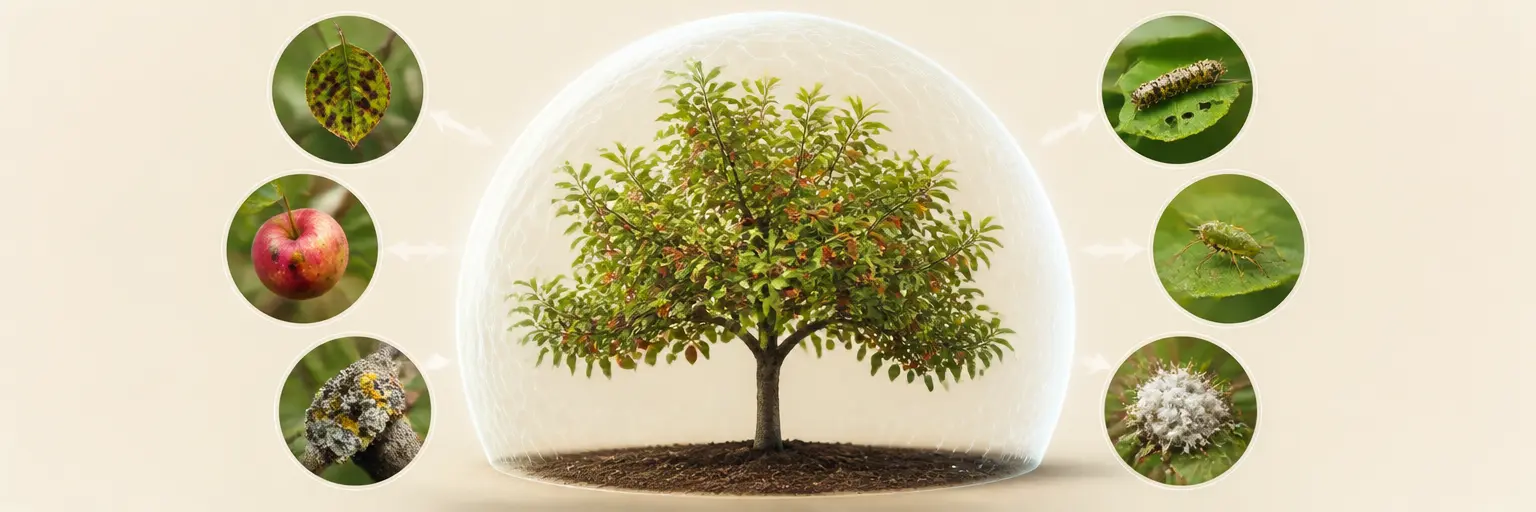
Homemade Fruit Tree Pest Control Recipes: Simple and Effective Solutions
Protect your harvest with organic fruit tree disease and pest control 🌿🍎 Learn how to identify common infections, insects, and damage early, then use sustainable treatments, natural prevention methods, pruning techniques, and beneficial predators to keep your trees healthy. Discover practical, eco-friendly strategies for managing fruit tree pests and diseases while growing safe, abundant homegrown fruit.
7 articles
The Best Organic Practices for Healthy Fruit Trees
The Role of Balanced Fertilization in Fruit Tree Disease Resistance
Identifying Common Fruit Tree Diseases: A Visual Guide for Home Growers
The Importance of Proper Air Circulation for Healthy Fruit Trees
The Role of Pruning in Preventing Fruit Tree Diseases
The Importance of Regular Inspections for Early Detection of Fruit Tree Problems
🍎 Dealing with Fruit Tree Diseases and Pests: Organic Protection for a Healthy Orchard
Welcome to CultivateYourFood, your practical resource for fruit tree care, organic gardening, and sustainable food growing. This subcategory explains how to identify, prevent, and manage common fruit tree diseases and pests affecting apples, peaches, pears, citrus, plums, cherries, and other backyard fruit trees. Learn how to recognize early symptoms, improve tree health, protect pollinators, and use environmentally responsible solutions instead of relying on harsh chemicals.
🔍 Identifying Common Fruit Tree Diseases
Accurate identification is the first step in effective fruit tree disease control. Explore helpful information about apple scab, peach leaf curl, fire blight, powdery mildew, brown rot, cankers, citrus diseases, and root problems. Learn how symptoms appear on leaves, branches, blossoms, bark, and fruit so you can respond before an infection spreads throughout the tree.
Articles in this section explain how moisture, poor airflow, contaminated tools, damaged bark, and stressed roots can contribute to disease. You can expect practical advice on inspecting fruit trees, comparing symptoms, removing infected plant material, and choosing organic treatments that support long-term orchard health.
🐛 Recognizing and Managing Fruit Tree Pests
Fruit tree pests can damage leaves, flowers, bark, roots, and developing fruit. Discover how to identify aphids, codling moths, fruit flies, scale insects, spider mites, pear psylla, caterpillars, beetles, and borers. Clear descriptions of pest behavior and feeding damage can help you determine whether a problem requires immediate action or simple monitoring.
Learn about sustainable pest management methods, including hand removal, insect barriers, sticky traps, beneficial insects, horticultural oils, insecticidal soaps, and carefully selected organic products. The goal is to control damaging pests while protecting bees, butterflies, ladybugs, birds, earthworms, and other helpful garden organisms.
🌿 Organic and Natural Fruit Tree Treatments
Organic fruit tree care begins with prevention and uses the least disruptive solution whenever possible. This section covers natural disease treatments, compost-based soil improvement, dormant oil applications, neem oil considerations, copper sprays, sulfur products, baking soda mixtures, and other commonly used options. Always follow product labels and consider the tree species, season, weather, and local regulations before applying any treatment.
Readers can also learn why healthy soil, balanced watering, proper pruning, mulching, and adequate sunlight make trees more resilient. Strong fruit trees are better prepared to withstand disease and pest pressure, reducing the need for repeated spraying and supporting a more sustainable home orchard.
✂️ Pruning, Sanitation, and Prevention
Good sanitation is one of the most effective ways to prevent fruit tree problems. Find guidance on removing fallen fruit, diseased leaves, mummified fruit, and infected branches. Learn how to clean pruning tools, make proper cuts, improve air circulation, and avoid spreading pathogens from one tree to another.
This subcategory also explains seasonal prevention strategies for dormant winter care, spring blossom protection, summer pest monitoring, and autumn cleanup. By combining correct pruning, clean growing conditions, adequate spacing, and regular inspections, home gardeners can reduce recurring fruit tree diseases and pest infestations.
🌦️ Seasonal Fruit Tree Pest and Disease Care
Fruit tree problems often follow seasonal patterns. Spring may bring aphids, fungal infections, and blossom damage, while summer can increase fruit flies, mites, scale, and fruit rots. Fall cleanup and winter pruning are equally important for removing disease sources and disrupting overwintering pests.
Expect practical seasonal checklists to help you monitor trees throughout the year. These resources can help you plan organic pest control, protect developing fruit, time preventive treatments responsibly, and respond quickly to changing weather conditions such as prolonged rain, humidity, heat, or drought.
🌱 Building a Resilient Backyard Orchard
Long-term fruit tree protection involves more than treating visible problems. Learn how to select disease-resistant varieties, choose suitable planting locations, improve drainage, encourage biodiversity, and use compost and organic mulch appropriately. Healthy companion plants and habitat for beneficial insects can also contribute to a balanced orchard ecosystem.
Whether you grow fruit trees in containers, a small garden, or a larger home orchard, these guides provide practical strategies for safe, sustainable, and productive fruit tree cultivation. CultivateYourFood helps you make informed decisions that protect your harvest while caring for soil, wildlife, and the wider environment.
❓ Frequently Asked Questions About Fruit Tree Diseases and Pests
What are the most common diseases affecting fruit trees?
Common fruit tree diseases include apple scab, peach leaf curl, fire blight, powdery mildew, brown rot, bacterial canker, citrus canker, and various root rots. Symptoms may include curled leaves, dark spots, wilting blossoms, cracked bark, branch dieback, or rotting fruit. Correct identification is important because treatment differs between fungal, bacterial, and environmental problems.
How can I tell whether my fruit tree has pests or a disease?
Pests often leave visible insects, eggs, webbing, holes, sticky honeydew, sawdust-like material, or distorted leaves. Diseases more commonly create spots, lesions, mold, cankers, unusual discoloration, or progressive dieback. Inspect both sides of leaves, young shoots, bark, blossoms, and fruit, and consider taking clear photographs for expert identification.
What is the safest organic treatment for fruit tree pests?
The safest approach is to begin with monitoring and physical controls, such as removing pests by hand, pruning affected growth, using insect barriers, or installing traps. Horticultural oil and insecticidal soap can help with certain pests when applied correctly. Always read the label, avoid spraying open blossoms, and protect pollinators by treating at appropriate times.
How do I prevent fruit tree diseases naturally?
Choose disease-resistant varieties, plant trees in well-drained soil with adequate sunlight, prune to improve airflow, water at the base, and remove diseased leaves and fallen fruit. Clean pruning tools between cuts and avoid working with wet foliage. Regular inspection and good orchard sanitation are essential parts of natural disease prevention.
Should I remove fruit from a tree affected by disease or pests?
Removing severely damaged, diseased, or pest-infested fruit can help prevent problems from spreading and reduce places where pathogens and insects reproduce. Dispose of affected fruit according to local guidance rather than placing it in a cool compost pile unless your composting system reaches temperatures capable of destroying pests and disease organisms.