
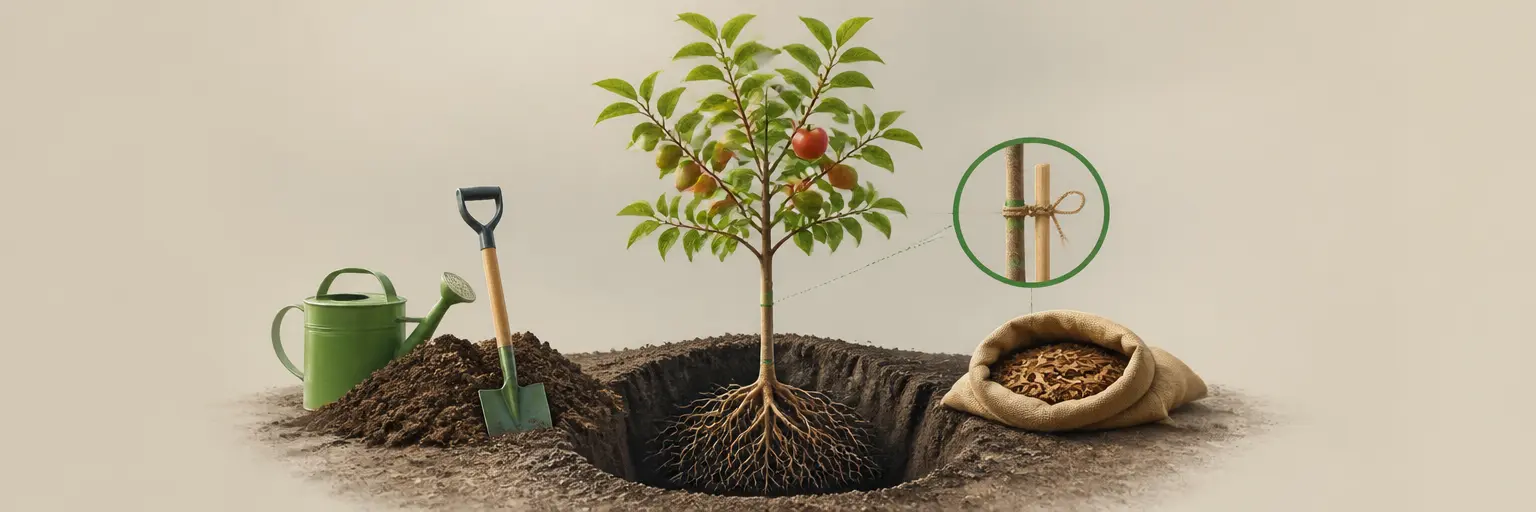
How to Plant Fruit Trees: A Guide to Hardiness Zones
Discover the joy of planting fruit trees 🍎🌳 with practical guidance for choosing varieties, preparing healthy soil, selecting the right location, and encouraging strong root growth. Learn sustainable, organic techniques for planting apple, citrus, peach, pear, and other fruit trees at home—plus essential tips for watering, mulching, pruning, and protecting young plants from pests. Build a thriving edible garden and enjoy fresh, homegrown harvests for years to come!
6 articles
How to Plant Fruit Trees on a Slope: Preventing Erosion and Promoting Growth
Planting Fruit Trees in the Fall: Benefits and Considerations
Grafted vs. NonGrafted Fruit Trees: Which is Best for Your Garden?
Planting Fruit Trees: Understanding Tree Training
Planting Fruit Trees: The Importance of Sunlight
🌳 Planting Fruit Trees: Grow a Productive, Organic Home Orchard
Welcome to the Planting Fruit Trees subcategory at CultivateYourFood, your practical resource for growing healthy, productive fruit trees at home. Discover how to choose the right fruit tree varieties, prepare planting sites, improve soil health, and establish strong root systems using sustainable and organic gardening practices. Whether you are planting apples, peaches, pears, cherries, plums, citrus, figs, or native fruit trees, our guides help beginners and experienced gardeners create a thriving home orchard.
🍎 Choosing the Right Fruit Trees for Your Garden
Successful fruit tree planting begins with selecting varieties suited to your climate, soil type, garden space, and growing season. Learn how hardiness zones, chill hours, pollination requirements, mature tree size, disease resistance, and sunlight exposure influence your choice of fruit tree. Our content explains the differences between bare-root trees, container-grown trees, dwarf fruit trees, semi-dwarf trees, and standard-size varieties.
You will also find guidance on selecting fruit trees for small gardens, patios, balconies, raised beds, and larger backyard orchards. Explore tips for choosing self-pollinating fruit trees, compatible cross-pollination partners, early-bearing varieties, and organic fruit tree cultivars that can produce abundant harvests with fewer chemical inputs.
🌱 Preparing Soil and Planting Sites
A well-prepared planting site gives fruit trees the best foundation for long-term growth. Learn how to evaluate drainage, soil texture, soil pH, fertility, wind exposure, and available sunlight before digging. Our guides cover how to improve compacted or poor soil with finished compost, aged organic matter, mulch, and responsible soil amendments without damaging beneficial microorganisms.
Find practical advice for removing weeds, measuring planting distances, preparing holes, protecting nearby structures, and avoiding locations where water collects. Proper site preparation encourages healthy roots, reduces transplant stress, and supports stronger fruit production throughout the tree’s life.
🪴 Planting Bare-Root and Container Fruit Trees
Planting techniques vary depending on whether you purchase a bare-root tree or a container-grown tree. Learn when to plant fruit trees, how to inspect roots, how to position the graft union, and how to spread roots naturally in the planting hole. Step-by-step guidance helps you avoid common mistakes such as planting too deeply, circling roots, or burying the trunk flare.
Discover how to backfill soil, water deeply, settle air pockets, and apply organic mulch correctly. You will also learn why the graft union should remain above the soil line and how careful handling during planting supports rapid establishment and healthy new growth.
💧 Watering, Mulching, and Early Tree Care
Newly planted fruit trees need consistent moisture while their root systems become established. Learn how often to water fruit trees after planting, how to check soil moisture, and how to adjust irrigation during hot weather, rainfall, or drought. Our recommendations focus on efficient watering methods such as deep soaking, drip irrigation, and moisture-conscious garden design.
Organic mulch can conserve water, moderate soil temperature, reduce weed competition, and improve soil structure as it decomposes. Discover how to apply mulch in a wide ring around the tree while keeping it away from the trunk to prevent rot, pests, and disease problems.
✂️ Training and Supporting Young Fruit Trees
Early training helps develop a strong, balanced framework capable of supporting future fruit and branches. Learn about staking, trunk protection, central-leader training, open-center pruning, and selecting well-positioned scaffold branches. These methods can improve sunlight penetration, air circulation, tree stability, and long-term fruit tree health.
Our guides explain when young fruit trees need support and when stakes should be removed. You will also find advice on protecting trees from wind, animals, lawn equipment, sunscald, and accidental damage while encouraging natural movement and sturdy trunk development.
🐝 Pollination and Encouraging Fruit Production
Many fruit trees require pollination from compatible varieties, active pollinators, or suitable weather conditions during bloom. Learn how apple, pear, cherry, plum, peach, citrus, and other fruit trees produce fruit and how to improve pollination in a home garden. Planting pollinator-friendly flowers, avoiding harmful pesticides, and providing habitat for bees can support a healthier backyard ecosystem.
You will also discover how planting distance, bloom timing, tree placement, and local pollinator activity affect fruit set. Practical guidance helps gardeners understand why a fruit tree may flower without producing fruit and what organic steps can improve future harvests.
🌿 Sustainable and Organic Fruit Tree Planting
CultivateYourFood promotes methods that protect soil, water, wildlife, and beneficial insects. Learn how to plant fruit trees with compost-based soil improvement, water conservation, natural mulch, companion planting, and integrated pest management. These sustainable practices build resilient trees while reducing reliance on synthetic fertilizers and broad-spectrum pesticides.
Explore ways to create a low-waste home orchard, reuse organic materials, attract beneficial insects, and maintain biodiversity around fruit trees. By combining thoughtful planting with responsible care, gardeners can grow nutritious fruit while supporting a healthier and more productive garden ecosystem.
❓ Frequently Asked Questions About Planting Fruit Trees
🍃 What is the best time to plant fruit trees?
The best time to plant most fruit trees is during the dormant season, usually late winter or early spring, before new growth begins. In mild climates, planting in autumn can also work well because cooler temperatures and seasonal rainfall help roots establish before summer.
☀️ How much sunlight do fruit trees need?
Most fruit trees require at least six to eight hours of direct sunlight each day for healthy growth and reliable fruit production. Choose an open location with good air circulation and avoid areas shaded by buildings, fences, or large trees.
🌳 How deep should a fruit tree be planted?
Plant a fruit tree so the root flare is level with or slightly above the surrounding soil. The graft union should remain several inches above ground. Planting too deeply can restrict oxygen to the roots, weaken the tree, and increase the risk of trunk rot.
💧 How often should I water a newly planted fruit tree?
Water deeply after planting and continue watering whenever the upper soil begins to dry. Newly planted trees often need regular irrigation during the first growing season, especially in hot or dry weather. The exact schedule depends on soil drainage, rainfall, tree size, and local climate.
🐝 Do I need two fruit trees to get fruit?
Some fruit trees are self-pollinating, while others produce better crops when planted near a compatible variety that blooms at the same time. Apples, pears, many sweet cherries, and certain plums often benefit from cross-pollination. Always check the pollination needs of the specific varieties you choose.