
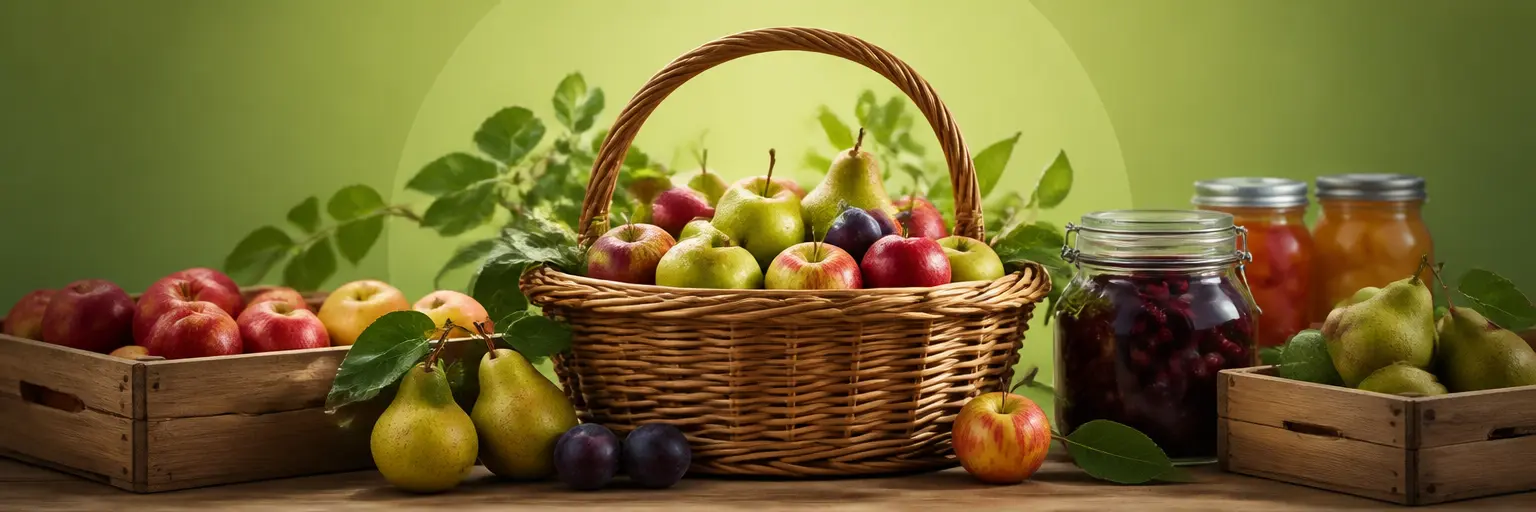
Pear Storage: Methods to Keep Them Ripe and Juicy
Discover practical, sustainable ways to harvest and store fruits at peak freshness 🍎🍓 Learn when to pick, how to handle delicate produce, and the best organic storage methods to reduce waste and preserve flavor. From proper ripening techniques to canning, freezing, and cool storage, these expert tips help home gardeners enjoy healthy, homegrown fruit long after harvest 🌿.
5 articles
The Art of Harvesting Kiwi: Identifying the Right Moment
Cranberry Storage: The Best Ways to Preserve These Tart Fruits
Cherry Storage Secrets: How to Keep Them Fresh Longer
Dehydrating Fruits: A Guide to Preserving Flavor and Nutrients
🍎 Harvesting and Storing Fruits for Freshness and Flavor
Welcome to Harvesting and Storing Fruits from CultivateYourFood, your practical resource for collecting, handling, preserving, and storing homegrown fruit. Learn how to identify fruit ripeness, harvest at the right time, reduce bruising, and protect your crop from pests, mold, and premature spoilage. Our sustainable, organic gardening guidance helps you enjoy apples, pears, peaches, plums, cherries, citrus, berries, and other tree fruits at their best while reducing food waste and extending shelf life.
🍏 How to Tell When Fruit Is Ready to Harvest
Successful fruit harvesting begins with recognizing the correct signs of ripeness. Discover how to assess fruit color, firmness, aroma, size, taste, and ease of separation for different fruit tree varieties. Some fruits continue ripening after picking, while others develop their best flavor only when fully mature on the tree.
You will also learn why harvest timing depends on climate, weather, tree health, and fruit variety. Helpful guidance on maturity indicators can help prevent picking too early, when fruit may be hard and flavorless, or too late, when it becomes vulnerable to birds, insects, falling, and rot.
🧺 Gentle Fruit-Picking Techniques
Proper harvesting methods protect both the fruit and the tree. Learn how to use clean hands, pruning shears, picking baskets, and fruit harvesters safely while avoiding broken stems, torn branches, and damaged skin. Careful handling is essential because bruises and cuts can quickly lead to decay during storage.
This section explains how to harvest fruit from low and high branches, when to pick in dry weather, and how to place fruit into shallow containers. You can expect practical advice for harvesting apples, pears, stone fruits, citrus, and other home orchard crops without unnecessary waste.
🍐 Sorting, Cleaning, and Preparing Fresh Fruit
After harvesting, sorting fruit is an important step in maintaining quality. Learn how to separate ripe, underripe, bruised, cracked, insect-damaged, and diseased fruit. Only sound fruit should be prepared for long-term storage, while imperfect produce can often be eaten quickly, cooked, dehydrated, or preserved.
Discover when to wash fruit and when keeping it dry is safer for storage. Our organic fruit care advice covers removing surface dirt, drying fruit thoroughly, trimming damaged areas, and handling produce hygienically without relying on unnecessary chemical treatments.
❄️ Storing Fruit in the Refrigerator and Pantry
Different fruits require different storage conditions. Find out which fruits benefit from refrigeration, which should ripen at room temperature, and how humidity and airflow influence shelf life. Guidance on refrigerator storage, pantry organization, paper bags, breathable containers, and produce drawers can help preserve freshness, texture, flavor, and nutritional value.
You will also learn how to prevent ethylene-producing fruits, such as apples and pears, from speeding up the ripening of sensitive produce. These practical storage strategies are useful for gardeners who want to keep homegrown fruit fresh for several days or weeks.
🫙 Preserving Fruit for Long-Term Use
Extend the harvest with reliable fruit preservation methods, including canning, freezing, dehydrating, fermenting, making jams, and preparing fruit sauces. Learn how to choose suitable fruit, prepare it safely, and preserve seasonal abundance for use throughout the year.
Our sustainable approach emphasizes reducing food waste and making the most of every harvest. You can explore ways to preserve excess fruit using reusable containers, appropriate labeling, careful portioning, and safe food-handling practices for better quality and convenience.
🌱 Organic and Sustainable Post-Harvest Practices
Harvesting and storing fruit sustainably involves more than keeping produce fresh. Learn how to reuse fruit scraps in compost, save seeds where appropriate, recycle packaging, and avoid unnecessary plastic. These practices support a healthier garden ecosystem and help turn kitchen and orchard waste into valuable compost.
Find practical ways to protect stored fruit from pests, mold, and contamination using clean storage areas, good ventilation, regular inspections, and natural prevention methods. Sustainable fruit storage reduces waste while supporting organic home gardening and responsible resource use.
❓ Frequently Asked Questions About Harvesting and Storing Fruits
🍎 How can I tell if fruit is ripe enough to harvest?
Check the fruit’s typical mature color, size, aroma, firmness, and flavor. Many tree fruits are ready when they separate easily with a gentle lift or twist. Always consider the specific variety because ripeness signs differ between apples, pears, peaches, plums, citrus, and other fruits.
🧺 Should I wash fruit before storing it?
Fruit should generally be washed before eating rather than before long-term storage, because excess moisture can encourage mold. If you wash harvested fruit, dry it completely before refrigeration or storage. Remove visibly damaged or rotten fruit immediately to protect the rest of the crop.
❄️ Which fruits should be stored in the refrigerator?
Many ripe berries, cherries, grapes, apples, and stone fruits benefit from refrigeration. However, some fruits should ripen at room temperature first, including many peaches, nectarines, pears, and plums. Store each fruit according to its ripening behavior and check it regularly.
🍐 How long can freshly harvested fruit be stored?
Storage life depends on fruit variety, maturity, temperature, humidity, and handling. Berries may last only a few days, while properly stored apples and pears can last for weeks or months. Inspect stored fruit frequently and remove any soft, leaking, or moldy pieces.
🌿 What can I do with bruised or overripe fruit?
Cut away small damaged areas and use sound portions promptly in smoothies, sauces, pies, chutneys, jams, or dehydrated snacks. Fruit affected by extensive mold, fermentation, or rot should not be eaten. Clean scraps can be added to a well-managed compost system.