
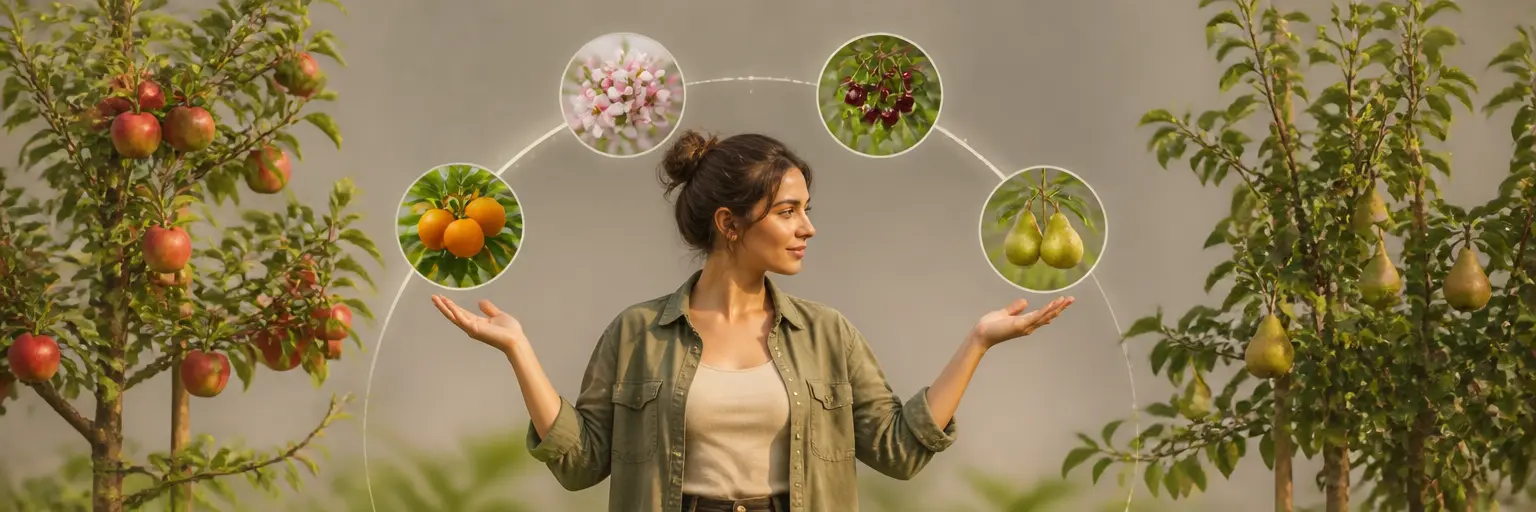
Choosing Fruit Trees Based on Your Available Space
Discover how to choose the right fruit trees for your garden with expert guidance from CultivateYourFood! 🍎🌱 Explore climate-friendly varieties, space-saving options, pollination needs, soil preferences, and low-maintenance selections to create a thriving home orchard. Learn sustainable, organic fruit tree care tips that support healthy growth, abundant harvests, and long-term garden success. Find the perfect fruit trees for your space and start growing delicious, homegrown produce today!
7 articles
FastGrowing Fruit Trees: Enjoying Fruit Sooner
Fruit Trees That Benefit from Companion Plants
The Importance of Fruit Tree Variety Selection for Local Ecosystems
Fruit Tree Rootstock Guide: Understanding Impact on Tree Size and Health
Choosing Fruit Trees for Companion Planting
Best Time of Year to Plant Fruit Trees in Your Region
Choosing the Right Fruit Trees for Your Home Garden 🌳
Choosing the right fruit trees is an important first step toward creating a productive, healthy, and sustainable home orchard. At CultivateYourFood, this subcategory of Fruit Tree Care helps gardeners select fruit trees that match their climate, soil, available space, sunlight, maintenance preferences, and harvesting goals. Discover practical guidance for choosing apple, pear, peach, plum, cherry, citrus, fig, berry, and other fruit-bearing trees for organic backyard gardening.
🌱 Match Fruit Trees to Your Climate and Growing Zone
Successful fruit tree growing begins with selecting varieties suited to your local climate and USDA hardiness zone. Learn how winter temperatures, summer heat, frost dates, humidity, rainfall, and chill hours affect fruit tree survival, flowering, pollination, and fruit production. Choosing a climate-appropriate tree improves resilience and reduces unnecessary watering, pest problems, and winter damage.
Explore how to compare cold-hardy fruit trees, heat-tolerant varieties, tropical fruit trees, and adaptable options for small home orchards. You will also find guidance on checking local growing conditions and selecting trees that can thrive naturally with sustainable, organic fruit tree care.
☀️ Choose Fruit Trees for Your Garden Space
The size and layout of your garden should guide your fruit tree selection. Learn the differences between standard, semi-dwarf, dwarf, patio, columnar, and espalier fruit trees, including how mature height and canopy spread influence spacing, pruning, sunlight, and harvesting. These choices make it easier to grow fruit in backyards, community gardens, raised beds, and containers.
Find helpful tips for evaluating sunlight exposure, drainage, wind protection, root space, and proximity to buildings or fences. Selecting the right tree for your available space helps prevent overcrowding and supports better air circulation, healthier growth, and more abundant harvests.
🍎 Select Fruit Varieties for Flavor and Harvest Goals
Different fruit tree varieties offer unique flavors, textures, colors, ripening times, and uses. Compare varieties for fresh eating, baking, preserving, juicing, drying, and homemade sauces. Whether you want crisp apples, sweet peaches, juicy plums, tart cherries, or fragrant citrus, choosing varieties based on your household’s preferences can make your home orchard more rewarding.
Learn how to plan a succession harvest by combining early-, mid-, and late-season fruit trees. Staggered ripening times can provide fresh fruit over a longer period instead of producing one overwhelming harvest all at once.
🐝 Understand Pollination and Fruit Set
Pollination is essential for many fruit trees to produce a reliable crop. This subcategory explains the difference between self-pollinating and cross-pollinating fruit trees, why compatible varieties may need to be planted nearby, and how flowering periods affect fruit set. Understanding pollination requirements helps gardeners avoid selecting trees that cannot produce fruit effectively in their growing conditions.
Discover ways to support natural pollinators by planting organic flowers, avoiding harmful pesticides, and creating habitat for bees and other beneficial insects. Choosing pollinator-friendly fruit trees and companion plants can improve biodiversity while supporting a more productive and sustainable garden.
🌿 Choose Organic, Resilient, and Low-Maintenance Trees
For sustainable home gardening, look for fruit tree varieties with natural resistance to common diseases, pests, drought, and local weather challenges. Learn how to evaluate disease-resistant apples, pest-tolerant stone fruits, drought-adapted citrus, and other resilient choices that may require fewer chemical treatments.
Our guidance emphasizes organic fruit tree care, healthy soil, compost, mulch, beneficial insects, and preventative maintenance. Selecting a naturally vigorous tree can reduce long-term effort while supporting environmentally responsible growing practices and safer food production at home.
🪴 Compare Bare-Root, Potted, and Grafted Fruit Trees
Fruit trees are commonly sold as bare-root trees, container-grown trees, or grafted specimens. Learn the advantages of each type, including planting flexibility, root establishment, transplanting success, maturity, and cost. Bare-root trees are often affordable and establish well during dormancy, while potted trees may offer more flexibility during the planting season.
Grafted fruit trees can combine strong root systems with desirable fruit varieties, making them a popular choice for home orchards. Find out what to inspect before purchasing, including healthy roots, a firm graft union, disease-free branches, and signs of vigorous growth.
❓ Frequently Asked Questions About Choosing Fruit Trees
What is the best fruit tree for a beginner?
The best beginner fruit tree depends on your climate, space, and maintenance goals. Generally, disease-resistant dwarf or semi-dwarf varieties are practical because they are easier to prune, protect, and harvest. Choose a tree that is well adapted to your local growing zone and soil conditions.
How much space does a fruit tree need?
Spacing depends on the tree’s mature size and rootstock. Dwarf fruit trees may need approximately 8 to 12 feet, while semi-dwarf and standard trees require more room. Always check the mature height and canopy spread before planting to ensure adequate sunlight and air circulation.
Do I need two fruit trees for pollination?
Some fruit trees are self-fertile, while others produce better crops when paired with a compatible variety that blooms at the same time. Apples, pears, sweet cherries, and some plums often benefit from cross-pollination. Check the pollination requirements of each variety before purchasing.
When is the best time to plant a fruit tree?
The ideal planting time is usually during the dormant season, from late fall through early spring, when the ground is workable and extreme weather is unlikely. Bare-root trees should be planted promptly after purchase, while container-grown trees may offer greater planting flexibility.
How can I choose a fruit tree for organic gardening?
Choose varieties known for disease resistance, strong local adaptation, and tolerance to common pests or weather conditions. Combine your selection with compost-enriched soil, organic mulch, proper pruning, balanced watering, and beneficial insect habitat. This approach supports healthy growth while reducing reliance on synthetic chemicals.